 Regulatory changes could prevent the U.S. from exporting e-plastics to a number of countries. | rawf8/Shutterstock[/caption]
Federal regulators are asking countries that are major buyers of U.S. scrap plastic to refrain from implementing new trade restrictions laid out in the Basel Convention, a treaty covering global scrap material shipments.
U.S. EPA Administrator Andrew Wheeler on July 3 sent a letter to the Organisation for Economic Cooperation and Development (OECD), a consortium whose members are generally considered non-developing nations. In his letter, Wheeler references significant scrap plastics-related changes that were approved to the Basel Convention on the Control of Transboundary Movements of Hazardous Wastes and Their Disposal earlier this year.
The U.S. has a unique stake in asking that OECD countries not adopt the Basel changes. The U.S. is the only OECD member that is not a party to the Basel Convention.
Under the current terms of the Convention, OECD member countries can continue receiving shipments from non-Basel party countries. If the OECD adopts the Basel changes, however, that trade relationship could change, hampering scrap material shipments to other developed nations.
Regulatory changes could prevent the U.S. from exporting e-plastics to a number of countries. | rawf8/Shutterstock[/caption]
Federal regulators are asking countries that are major buyers of U.S. scrap plastic to refrain from implementing new trade restrictions laid out in the Basel Convention, a treaty covering global scrap material shipments.
U.S. EPA Administrator Andrew Wheeler on July 3 sent a letter to the Organisation for Economic Cooperation and Development (OECD), a consortium whose members are generally considered non-developing nations. In his letter, Wheeler references significant scrap plastics-related changes that were approved to the Basel Convention on the Control of Transboundary Movements of Hazardous Wastes and Their Disposal earlier this year.
The U.S. has a unique stake in asking that OECD countries not adopt the Basel changes. The U.S. is the only OECD member that is not a party to the Basel Convention.
Under the current terms of the Convention, OECD member countries can continue receiving shipments from non-Basel party countries. If the OECD adopts the Basel changes, however, that trade relationship could change, hampering scrap material shipments to other developed nations.
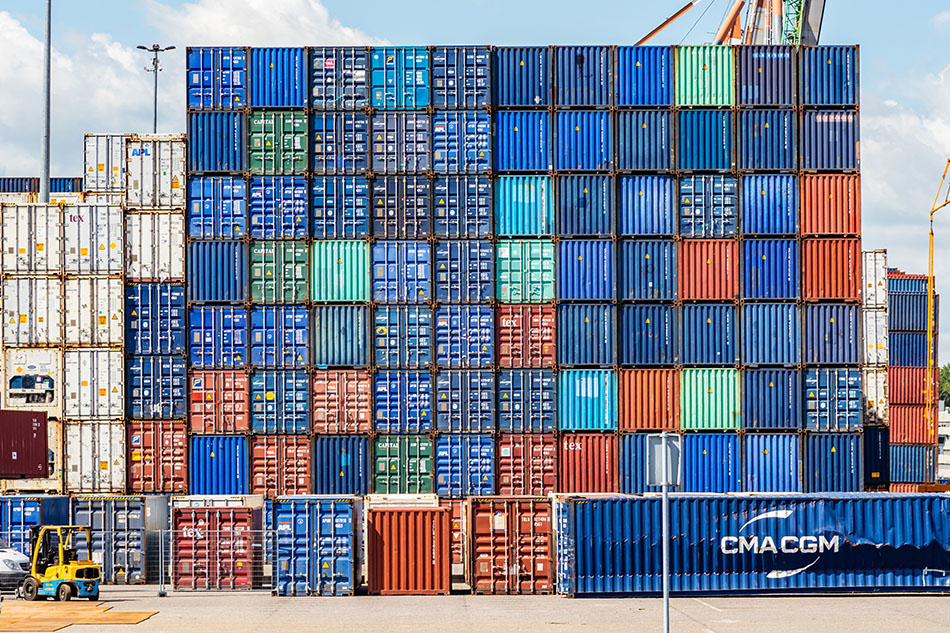
[caption id="" align="aligncenter" width="950"] Regulatory changes could prevent the U.S. from exporting e-plastics to a number of countries. | rawf8/Shutterstock[/caption]
Federal regulators are asking countries that are major buyers of U.S. scrap plastic to refrain from implementing new trade restrictions laid out in the Basel Convention, a treaty covering global scrap material shipments.
U.S. EPA Administrator Andrew Wheeler on July 3 sent a letter to the Organisation for Economic Cooperation and Development (OECD), a consortium whose members are generally considered non-developing nations. In his letter, Wheeler references significant scrap plastics-related changes that were approved to the Basel Convention on the Control of Transboundary Movements of Hazardous Wastes and Their Disposal earlier this year.
The U.S. has a unique stake in asking that OECD countries not adopt the Basel changes. The U.S. is the only OECD member that is not a party to the Basel Convention.
Under the current terms of the Convention, OECD member countries can continue receiving shipments from non-Basel party countries. If the OECD adopts the Basel changes, however, that trade relationship could change, hampering scrap material shipments to other developed nations.
Regulatory changes could prevent the U.S. from exporting e-plastics to a number of countries. | rawf8/Shutterstock[/caption]
Federal regulators are asking countries that are major buyers of U.S. scrap plastic to refrain from implementing new trade restrictions laid out in the Basel Convention, a treaty covering global scrap material shipments.
U.S. EPA Administrator Andrew Wheeler on July 3 sent a letter to the Organisation for Economic Cooperation and Development (OECD), a consortium whose members are generally considered non-developing nations. In his letter, Wheeler references significant scrap plastics-related changes that were approved to the Basel Convention on the Control of Transboundary Movements of Hazardous Wastes and Their Disposal earlier this year.
The U.S. has a unique stake in asking that OECD countries not adopt the Basel changes. The U.S. is the only OECD member that is not a party to the Basel Convention.
Under the current terms of the Convention, OECD member countries can continue receiving shipments from non-Basel party countries. If the OECD adopts the Basel changes, however, that trade relationship could change, hampering scrap material shipments to other developed nations.
Categories