 India was the second largest importer of U.S. scrap plastic during the first six months of 2019. | Avigator Fortuner/Shutterstock[/caption]
Recovered plastic, including material from end-of-life electronics, has largely stopped flowing from the U.S. into India, which until recently has been among the top importers of scrap plastics.
The curtailment in material movement comes as the South Asian country prepares to implement an all-out ban on scrap plastic imports this month.
The Indian government in March announced its plan to ban scrap plastic imports, later indicating the ban would take effect Aug. 31. The ban is proposed to cover most plastics under the 3915 tariff code, including PET, PE, PP, PS, mixed plastics and more.
The announcement sent shockwaves through the recycling industry, because India is a major destination for U.S. material. The country was the second largest importer of U.S. scrap plastic during the first six months of 2019, bringing in 156 million pounds. June is the most recent month for which trade figures are available. E-plastics are generally classified under the international trade code for "other" plastics, and for the first six months of 2019, India was the fourth-largest importer of these materials from the U.S., bringing in 21.3 million pounds.
Since that highly publicized initial announcement and a subsequent clarification of the implementation date, there has been little news of the plastic ban. But in the intervening months there have been numerous indications the ban is still set to take effect later this month. Meanwhile, scrap plastic traders say the movement of material to India has stopped in preparation for the new restriction.
“There has been no change in the stance,” said Rakesh Surana of scrap plastics brokerage Gemini Corporation N.V. “Because of this, all the exports out of U.S.A. or Europe to India of plastic scrap have come to a standstill,” because it takes between 30 and 45 days for containers to reach India.
Under the upcoming regulations, there is "no chance" that baled e-plastics can be shipped into India, said Steve Wong of plastics recycling firm Fukutomi, citing information from industry contacts. For mixed e-plastic loads, the biggest concern is contamination with other e-scrap materials such as PCBs or metals, Wong reported. Clean, sorted regrind of e-plastic resins such as ABS or PS may be acceptable, but no level of contamination will be allowed.
India was the second largest importer of U.S. scrap plastic during the first six months of 2019. | Avigator Fortuner/Shutterstock[/caption]
Recovered plastic, including material from end-of-life electronics, has largely stopped flowing from the U.S. into India, which until recently has been among the top importers of scrap plastics.
The curtailment in material movement comes as the South Asian country prepares to implement an all-out ban on scrap plastic imports this month.
The Indian government in March announced its plan to ban scrap plastic imports, later indicating the ban would take effect Aug. 31. The ban is proposed to cover most plastics under the 3915 tariff code, including PET, PE, PP, PS, mixed plastics and more.
The announcement sent shockwaves through the recycling industry, because India is a major destination for U.S. material. The country was the second largest importer of U.S. scrap plastic during the first six months of 2019, bringing in 156 million pounds. June is the most recent month for which trade figures are available. E-plastics are generally classified under the international trade code for "other" plastics, and for the first six months of 2019, India was the fourth-largest importer of these materials from the U.S., bringing in 21.3 million pounds.
Since that highly publicized initial announcement and a subsequent clarification of the implementation date, there has been little news of the plastic ban. But in the intervening months there have been numerous indications the ban is still set to take effect later this month. Meanwhile, scrap plastic traders say the movement of material to India has stopped in preparation for the new restriction.
“There has been no change in the stance,” said Rakesh Surana of scrap plastics brokerage Gemini Corporation N.V. “Because of this, all the exports out of U.S.A. or Europe to India of plastic scrap have come to a standstill,” because it takes between 30 and 45 days for containers to reach India.
Under the upcoming regulations, there is "no chance" that baled e-plastics can be shipped into India, said Steve Wong of plastics recycling firm Fukutomi, citing information from industry contacts. For mixed e-plastic loads, the biggest concern is contamination with other e-scrap materials such as PCBs or metals, Wong reported. Clean, sorted regrind of e-plastic resins such as ABS or PS may be acceptable, but no level of contamination will be allowed.
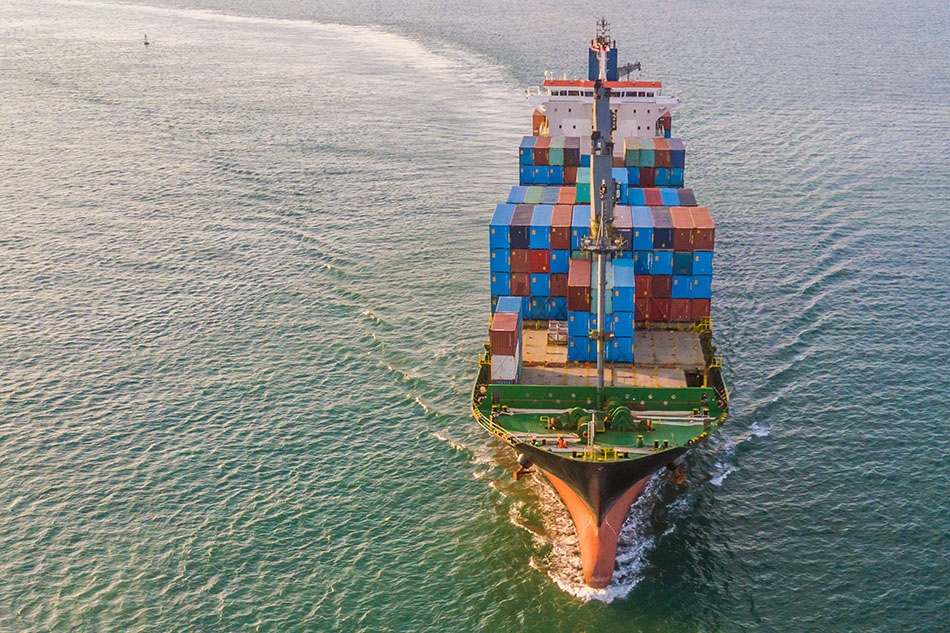
[caption id="" align="aligncenter" width="950"] India was the second largest importer of U.S. scrap plastic during the first six months of 2019. | Avigator Fortuner/Shutterstock[/caption]
Recovered plastic, including material from end-of-life electronics, has largely stopped flowing from the U.S. into India, which until recently has been among the top importers of scrap plastics.
The curtailment in material movement comes as the South Asian country prepares to implement an all-out ban on scrap plastic imports this month.
The Indian government in March announced its plan to ban scrap plastic imports, later indicating the ban would take effect Aug. 31. The ban is proposed to cover most plastics under the 3915 tariff code, including PET, PE, PP, PS, mixed plastics and more.
The announcement sent shockwaves through the recycling industry, because India is a major destination for U.S. material. The country was the second largest importer of U.S. scrap plastic during the first six months of 2019, bringing in 156 million pounds. June is the most recent month for which trade figures are available. E-plastics are generally classified under the international trade code for "other" plastics, and for the first six months of 2019, India was the fourth-largest importer of these materials from the U.S., bringing in 21.3 million pounds.
Since that highly publicized initial announcement and a subsequent clarification of the implementation date, there has been little news of the plastic ban. But in the intervening months there have been numerous indications the ban is still set to take effect later this month. Meanwhile, scrap plastic traders say the movement of material to India has stopped in preparation for the new restriction.
“There has been no change in the stance,” said Rakesh Surana of scrap plastics brokerage Gemini Corporation N.V. “Because of this, all the exports out of U.S.A. or Europe to India of plastic scrap have come to a standstill,” because it takes between 30 and 45 days for containers to reach India.
Under the upcoming regulations, there is "no chance" that baled e-plastics can be shipped into India, said Steve Wong of plastics recycling firm Fukutomi, citing information from industry contacts. For mixed e-plastic loads, the biggest concern is contamination with other e-scrap materials such as PCBs or metals, Wong reported. Clean, sorted regrind of e-plastic resins such as ABS or PS may be acceptable, but no level of contamination will be allowed.
India was the second largest importer of U.S. scrap plastic during the first six months of 2019. | Avigator Fortuner/Shutterstock[/caption]
Recovered plastic, including material from end-of-life electronics, has largely stopped flowing from the U.S. into India, which until recently has been among the top importers of scrap plastics.
The curtailment in material movement comes as the South Asian country prepares to implement an all-out ban on scrap plastic imports this month.
The Indian government in March announced its plan to ban scrap plastic imports, later indicating the ban would take effect Aug. 31. The ban is proposed to cover most plastics under the 3915 tariff code, including PET, PE, PP, PS, mixed plastics and more.
The announcement sent shockwaves through the recycling industry, because India is a major destination for U.S. material. The country was the second largest importer of U.S. scrap plastic during the first six months of 2019, bringing in 156 million pounds. June is the most recent month for which trade figures are available. E-plastics are generally classified under the international trade code for "other" plastics, and for the first six months of 2019, India was the fourth-largest importer of these materials from the U.S., bringing in 21.3 million pounds.
Since that highly publicized initial announcement and a subsequent clarification of the implementation date, there has been little news of the plastic ban. But in the intervening months there have been numerous indications the ban is still set to take effect later this month. Meanwhile, scrap plastic traders say the movement of material to India has stopped in preparation for the new restriction.
“There has been no change in the stance,” said Rakesh Surana of scrap plastics brokerage Gemini Corporation N.V. “Because of this, all the exports out of U.S.A. or Europe to India of plastic scrap have come to a standstill,” because it takes between 30 and 45 days for containers to reach India.
Under the upcoming regulations, there is "no chance" that baled e-plastics can be shipped into India, said Steve Wong of plastics recycling firm Fukutomi, citing information from industry contacts. For mixed e-plastic loads, the biggest concern is contamination with other e-scrap materials such as PCBs or metals, Wong reported. Clean, sorted regrind of e-plastic resins such as ABS or PS may be acceptable, but no level of contamination will be allowed.
Categories