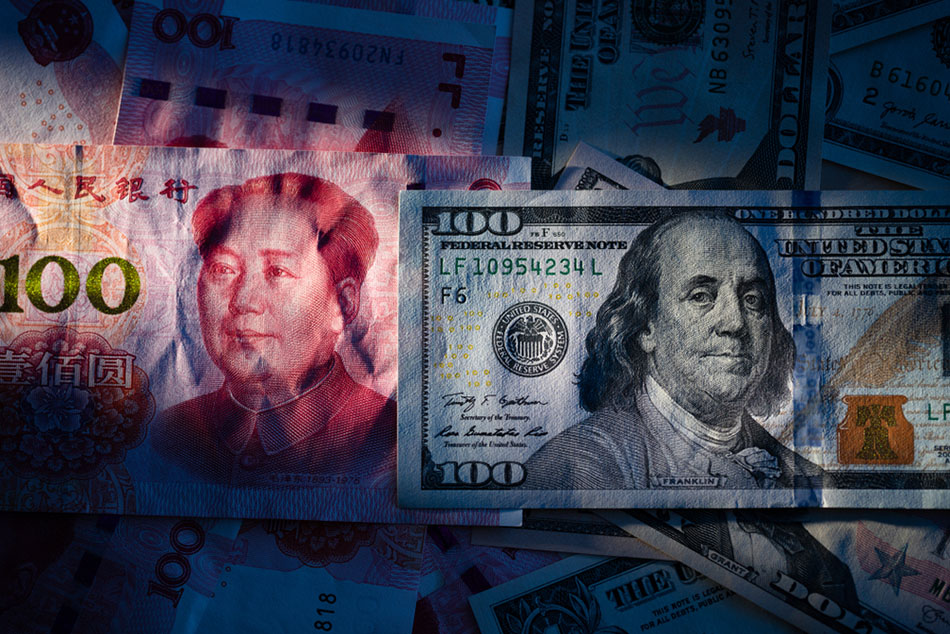
 In May, the New York Federal Reserve Bank estimated tariffs in effect at that time would cost the average U.S. household $831 a year. | aijiro/Shutterstock[/caption]
The escalating trade war between the U.S. and China is creating uncertainty among small businesses and exacerbating a global manufacturing slowdown, according to The Wall Street Journal.
On Sept. 1, the Trump Administration imposed 15% tariffs on imports that totaled $111 billion last year, including tools, apparel, footwear and many electronics, the newspaper reports. President Trump postponed until Dec. 15 additional 15% duties on $156 billion in goods, including additional electronics, toys and other products.
In response to the Sept. 1 penalties, China imposed $75 billion in tariffs on U.S. goods, including agricultural products, oil and pharmaceuticals. The Chinese list also boosted existing tariffs on OCC, ONP, some higher-grade recovered papers and scrap aluminum. Those tariffs are slated to take effect Dec. 15. Because of China's National Sword campaign, some types and grades of recyclables are already banned from shipment to China.
Paper markets journal RISI reported U.S. companies are expediting their plans to export recovered paper to China to beat the Dec. 15 tariffs.
The Wall Street Journal reported on Sept. 2 that its survey of small businesses showed their confidence in the economy fell to the lowest level since November 2012, with 40% now saying they expect the economy to worsen in the next 12 months, up from 29% in July.
Meanwhile, the publication also referenced an IHS Markit survey of purchasing managers at manufacturing companies. It showed manufacturing slowdowns in Germany, Japan, Indonesia, South Korea and Taiwan. The survey showed mixed results for China. IHS Markit said trade wars remain producers' biggest concerns.
In May, the New York Federal Reserve Bank estimated tariffs in effect at that time would cost the average U.S. household $831 a year. | aijiro/Shutterstock[/caption]
The escalating trade war between the U.S. and China is creating uncertainty among small businesses and exacerbating a global manufacturing slowdown, according to The Wall Street Journal.
On Sept. 1, the Trump Administration imposed 15% tariffs on imports that totaled $111 billion last year, including tools, apparel, footwear and many electronics, the newspaper reports. President Trump postponed until Dec. 15 additional 15% duties on $156 billion in goods, including additional electronics, toys and other products.
In response to the Sept. 1 penalties, China imposed $75 billion in tariffs on U.S. goods, including agricultural products, oil and pharmaceuticals. The Chinese list also boosted existing tariffs on OCC, ONP, some higher-grade recovered papers and scrap aluminum. Those tariffs are slated to take effect Dec. 15. Because of China's National Sword campaign, some types and grades of recyclables are already banned from shipment to China.
Paper markets journal RISI reported U.S. companies are expediting their plans to export recovered paper to China to beat the Dec. 15 tariffs.
The Wall Street Journal reported on Sept. 2 that its survey of small businesses showed their confidence in the economy fell to the lowest level since November 2012, with 40% now saying they expect the economy to worsen in the next 12 months, up from 29% in July.
Meanwhile, the publication also referenced an IHS Markit survey of purchasing managers at manufacturing companies. It showed manufacturing slowdowns in Germany, Japan, Indonesia, South Korea and Taiwan. The survey showed mixed results for China. IHS Markit said trade wars remain producers' biggest concerns.
[caption id="" align="aligncenter" width="950"] In May, the New York Federal Reserve Bank estimated tariffs in effect at that time would cost the average U.S. household $831 a year. | aijiro/Shutterstock[/caption]
The escalating trade war between the U.S. and China is creating uncertainty among small businesses and exacerbating a global manufacturing slowdown, according to The Wall Street Journal.
On Sept. 1, the Trump Administration imposed 15% tariffs on imports that totaled $111 billion last year, including tools, apparel, footwear and many electronics, the newspaper reports. President Trump postponed until Dec. 15 additional 15% duties on $156 billion in goods, including additional electronics, toys and other products.
In response to the Sept. 1 penalties, China imposed $75 billion in tariffs on U.S. goods, including agricultural products, oil and pharmaceuticals. The Chinese list also boosted existing tariffs on OCC, ONP, some higher-grade recovered papers and scrap aluminum. Those tariffs are slated to take effect Dec. 15. Because of China's National Sword campaign, some types and grades of recyclables are already banned from shipment to China.
Paper markets journal RISI reported U.S. companies are expediting their plans to export recovered paper to China to beat the Dec. 15 tariffs.
The Wall Street Journal reported on Sept. 2 that its survey of small businesses showed their confidence in the economy fell to the lowest level since November 2012, with 40% now saying they expect the economy to worsen in the next 12 months, up from 29% in July.
Meanwhile, the publication also referenced an IHS Markit survey of purchasing managers at manufacturing companies. It showed manufacturing slowdowns in Germany, Japan, Indonesia, South Korea and Taiwan. The survey showed mixed results for China. IHS Markit said trade wars remain producers' biggest concerns.
In May, the New York Federal Reserve Bank estimated tariffs in effect at that time would cost the average U.S. household $831 a year. | aijiro/Shutterstock[/caption]
The escalating trade war between the U.S. and China is creating uncertainty among small businesses and exacerbating a global manufacturing slowdown, according to The Wall Street Journal.
On Sept. 1, the Trump Administration imposed 15% tariffs on imports that totaled $111 billion last year, including tools, apparel, footwear and many electronics, the newspaper reports. President Trump postponed until Dec. 15 additional 15% duties on $156 billion in goods, including additional electronics, toys and other products.
In response to the Sept. 1 penalties, China imposed $75 billion in tariffs on U.S. goods, including agricultural products, oil and pharmaceuticals. The Chinese list also boosted existing tariffs on OCC, ONP, some higher-grade recovered papers and scrap aluminum. Those tariffs are slated to take effect Dec. 15. Because of China's National Sword campaign, some types and grades of recyclables are already banned from shipment to China.
Paper markets journal RISI reported U.S. companies are expediting their plans to export recovered paper to China to beat the Dec. 15 tariffs.
The Wall Street Journal reported on Sept. 2 that its survey of small businesses showed their confidence in the economy fell to the lowest level since November 2012, with 40% now saying they expect the economy to worsen in the next 12 months, up from 29% in July.
Meanwhile, the publication also referenced an IHS Markit survey of purchasing managers at manufacturing companies. It showed manufacturing slowdowns in Germany, Japan, Indonesia, South Korea and Taiwan. The survey showed mixed results for China. IHS Markit said trade wars remain producers' biggest concerns.
Categories