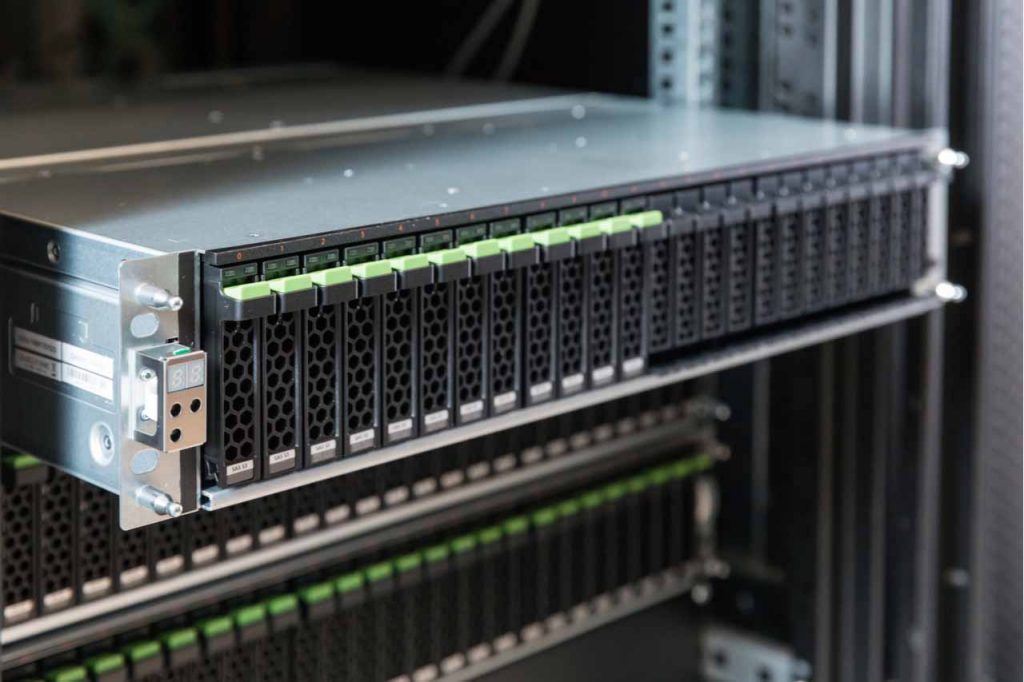
 The electronics recovery business is escaping widespread regulations that are closing companies in other fields. | Mikhail Starodubov/Shutterstock[/caption]
E-scrap and ITAD operations are largely falling into the category of essential services amid the coronavirus pandemic. Although that doesn't mean smooth sailing, it allows recycling facilities to stay open alongside other critical industries.
The coronavirus crisis has caused drop-off recycling sites to close and companies to suspend device collections. Meanwhile, businesses in most sectors are putting IT refresh projects on hold. In turn, less volume is coming into processing facilities.
But the electronics recovery business is escaping widespread regulations that are closing companies in other fields.
The Institute of Scrap Recycling Industries (ISRI) compiled a comprehensive list of state orders with links to government documents. ISRI identified 17 states that specifically reference "recycling" in their regulations identifying essential businesses. Elsewhere, recycling, including e-scrap and ITAD, is generally being interpreted to be essential in broader definitions.
The National Association for Information Destruction (NAID) said the guidance from the U.S. government and multiple states indicates "IT asset disposal and secure data destruction are included in 'essential services.'"
NAID pointed to the Cybersecurity and Infrastructure Security Agency (CISA) document that designates a variety of information technology support services as essential. The guidance also included numerous cybersecurity-related sectors as essential businesses.
Although state guidance in New York doesn't specifically reference electronics recycling, taken as a whole, NAID pointed out the activities described within the order are all applicable to the industry. The New York regulations describe recycling, "storage for essential businesses," "services related to financial markets," "security" and "logistics" as essential services.
Processors in different parts of the country have noted the important role their businesses play as the U.S. moves through an extraordinarily challenging period.
The electronics recovery business is escaping widespread regulations that are closing companies in other fields. | Mikhail Starodubov/Shutterstock[/caption]
E-scrap and ITAD operations are largely falling into the category of essential services amid the coronavirus pandemic. Although that doesn't mean smooth sailing, it allows recycling facilities to stay open alongside other critical industries.
The coronavirus crisis has caused drop-off recycling sites to close and companies to suspend device collections. Meanwhile, businesses in most sectors are putting IT refresh projects on hold. In turn, less volume is coming into processing facilities.
But the electronics recovery business is escaping widespread regulations that are closing companies in other fields.
The Institute of Scrap Recycling Industries (ISRI) compiled a comprehensive list of state orders with links to government documents. ISRI identified 17 states that specifically reference "recycling" in their regulations identifying essential businesses. Elsewhere, recycling, including e-scrap and ITAD, is generally being interpreted to be essential in broader definitions.
The National Association for Information Destruction (NAID) said the guidance from the U.S. government and multiple states indicates "IT asset disposal and secure data destruction are included in 'essential services.'"
NAID pointed to the Cybersecurity and Infrastructure Security Agency (CISA) document that designates a variety of information technology support services as essential. The guidance also included numerous cybersecurity-related sectors as essential businesses.
Although state guidance in New York doesn't specifically reference electronics recycling, taken as a whole, NAID pointed out the activities described within the order are all applicable to the industry. The New York regulations describe recycling, "storage for essential businesses," "services related to financial markets," "security" and "logistics" as essential services.
Processors in different parts of the country have noted the important role their businesses play as the U.S. moves through an extraordinarily challenging period.
[caption id="attachment_13448" align="aligncenter" width="900"] The electronics recovery business is escaping widespread regulations that are closing companies in other fields. | Mikhail Starodubov/Shutterstock[/caption]
E-scrap and ITAD operations are largely falling into the category of essential services amid the coronavirus pandemic. Although that doesn't mean smooth sailing, it allows recycling facilities to stay open alongside other critical industries.
The coronavirus crisis has caused drop-off recycling sites to close and companies to suspend device collections. Meanwhile, businesses in most sectors are putting IT refresh projects on hold. In turn, less volume is coming into processing facilities.
But the electronics recovery business is escaping widespread regulations that are closing companies in other fields.
The Institute of Scrap Recycling Industries (ISRI) compiled a comprehensive list of state orders with links to government documents. ISRI identified 17 states that specifically reference "recycling" in their regulations identifying essential businesses. Elsewhere, recycling, including e-scrap and ITAD, is generally being interpreted to be essential in broader definitions.
The National Association for Information Destruction (NAID) said the guidance from the U.S. government and multiple states indicates "IT asset disposal and secure data destruction are included in 'essential services.'"
NAID pointed to the Cybersecurity and Infrastructure Security Agency (CISA) document that designates a variety of information technology support services as essential. The guidance also included numerous cybersecurity-related sectors as essential businesses.
Although state guidance in New York doesn't specifically reference electronics recycling, taken as a whole, NAID pointed out the activities described within the order are all applicable to the industry. The New York regulations describe recycling, "storage for essential businesses," "services related to financial markets," "security" and "logistics" as essential services.
Processors in different parts of the country have noted the important role their businesses play as the U.S. moves through an extraordinarily challenging period.
The electronics recovery business is escaping widespread regulations that are closing companies in other fields. | Mikhail Starodubov/Shutterstock[/caption]
E-scrap and ITAD operations are largely falling into the category of essential services amid the coronavirus pandemic. Although that doesn't mean smooth sailing, it allows recycling facilities to stay open alongside other critical industries.
The coronavirus crisis has caused drop-off recycling sites to close and companies to suspend device collections. Meanwhile, businesses in most sectors are putting IT refresh projects on hold. In turn, less volume is coming into processing facilities.
But the electronics recovery business is escaping widespread regulations that are closing companies in other fields.
The Institute of Scrap Recycling Industries (ISRI) compiled a comprehensive list of state orders with links to government documents. ISRI identified 17 states that specifically reference "recycling" in their regulations identifying essential businesses. Elsewhere, recycling, including e-scrap and ITAD, is generally being interpreted to be essential in broader definitions.
The National Association for Information Destruction (NAID) said the guidance from the U.S. government and multiple states indicates "IT asset disposal and secure data destruction are included in 'essential services.'"
NAID pointed to the Cybersecurity and Infrastructure Security Agency (CISA) document that designates a variety of information technology support services as essential. The guidance also included numerous cybersecurity-related sectors as essential businesses.
Although state guidance in New York doesn't specifically reference electronics recycling, taken as a whole, NAID pointed out the activities described within the order are all applicable to the industry. The New York regulations describe recycling, "storage for essential businesses," "services related to financial markets," "security" and "logistics" as essential services.
Processors in different parts of the country have noted the important role their businesses play as the U.S. moves through an extraordinarily challenging period.
Categories