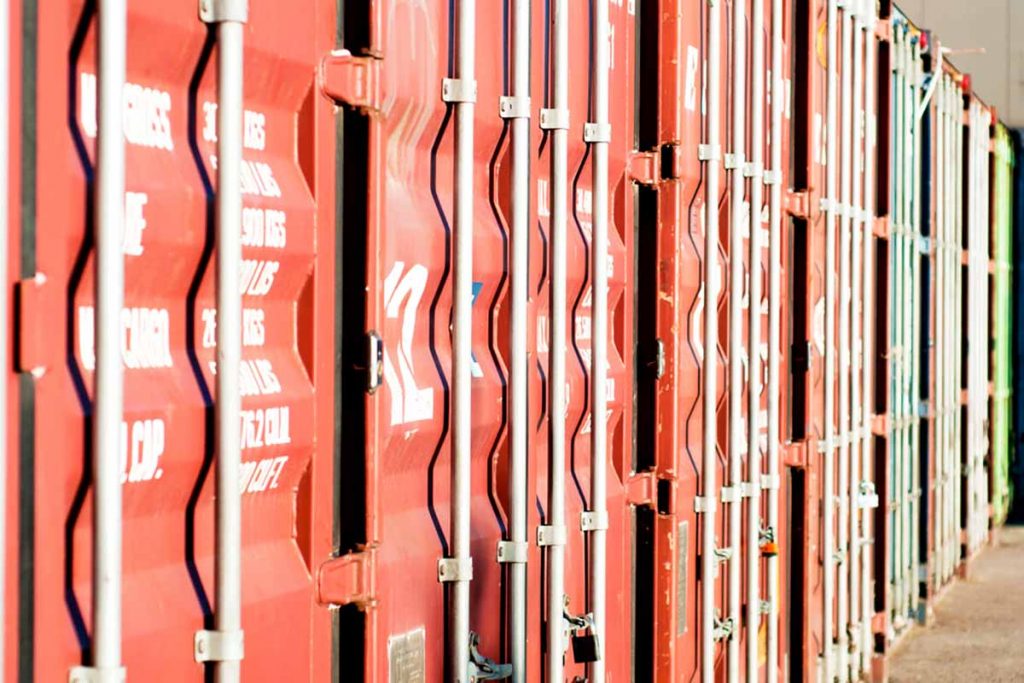
 Because the U.S. is not a party to the Basel Convention, exports to the 180-plus countries that are parties to the convention will be more complicated, or may even be prohibited by local laws. | AnkaFed/Shutterstock[/caption]
The U.S. government has made public an agreement with Canada to continue shipments of scrap plastic, including e-plastics, despite global regulations tightening next year. Environmental advocates are troubled by the deal.
The U.S. State Department on Dec. 7 published the text of a recent U.S.-Canada agreement covering the trade of recycled plastic between the two countries. The Canadian government published the agreement as well.
Signed by both countries in October, the agreement aims to maintain the countries' plastic trade relationship in light of upcoming changes to global rules on scrap plastic shipments. The Basel Convention, a global treaty on waste shipments, will begin tighter scrutiny on scrap plastic shipments next year. The upcoming regulations cover e-plastics, as well as loads of mixed plastics from the residential recycling stream.
A coalition of environmental organizations expressed concern with the new U.S.-Canada agreement, and they are asking the Canadian government to adopt stricter control measures for scrap plastic trade with the U.S.
"In addition to the secretive manner in which the agreement was negotiated, we are concerned that in signing the agreement Canada will be in violation of its legal obligations under the Basel Convention when the Convention's plastic wastes provisions come into effect on January 1, 2021," the organizations wrote in a Dec. 2 letter.
The letter was signed by the Basel Action Network and RightOnCanada.ca on behalf of themselves and the International Pollutants Elimination Network (IPEN), the Center for International Environmental Law (CIEL), Friends of the Earth, HEJSupport, Environmental Investigation Agency, the Global Alliance for Incinerator Alternatives, the Plastic Pollution Coalition, The Last Beach Cleanup and the Surfrider Foundation.
Because the U.S. is not a party to the Basel Convention, exports to the 180-plus countries that are parties to the convention will be more complicated, or may even be prohibited by local laws. | AnkaFed/Shutterstock[/caption]
The U.S. government has made public an agreement with Canada to continue shipments of scrap plastic, including e-plastics, despite global regulations tightening next year. Environmental advocates are troubled by the deal.
The U.S. State Department on Dec. 7 published the text of a recent U.S.-Canada agreement covering the trade of recycled plastic between the two countries. The Canadian government published the agreement as well.
Signed by both countries in October, the agreement aims to maintain the countries' plastic trade relationship in light of upcoming changes to global rules on scrap plastic shipments. The Basel Convention, a global treaty on waste shipments, will begin tighter scrutiny on scrap plastic shipments next year. The upcoming regulations cover e-plastics, as well as loads of mixed plastics from the residential recycling stream.
A coalition of environmental organizations expressed concern with the new U.S.-Canada agreement, and they are asking the Canadian government to adopt stricter control measures for scrap plastic trade with the U.S.
"In addition to the secretive manner in which the agreement was negotiated, we are concerned that in signing the agreement Canada will be in violation of its legal obligations under the Basel Convention when the Convention's plastic wastes provisions come into effect on January 1, 2021," the organizations wrote in a Dec. 2 letter.
The letter was signed by the Basel Action Network and RightOnCanada.ca on behalf of themselves and the International Pollutants Elimination Network (IPEN), the Center for International Environmental Law (CIEL), Friends of the Earth, HEJSupport, Environmental Investigation Agency, the Global Alliance for Incinerator Alternatives, the Plastic Pollution Coalition, The Last Beach Cleanup and the Surfrider Foundation.
[caption id="attachment_14523" align="aligncenter" width="900"] Because the U.S. is not a party to the Basel Convention, exports to the 180-plus countries that are parties to the convention will be more complicated, or may even be prohibited by local laws. | AnkaFed/Shutterstock[/caption]
The U.S. government has made public an agreement with Canada to continue shipments of scrap plastic, including e-plastics, despite global regulations tightening next year. Environmental advocates are troubled by the deal.
The U.S. State Department on Dec. 7 published the text of a recent U.S.-Canada agreement covering the trade of recycled plastic between the two countries. The Canadian government published the agreement as well.
Signed by both countries in October, the agreement aims to maintain the countries' plastic trade relationship in light of upcoming changes to global rules on scrap plastic shipments. The Basel Convention, a global treaty on waste shipments, will begin tighter scrutiny on scrap plastic shipments next year. The upcoming regulations cover e-plastics, as well as loads of mixed plastics from the residential recycling stream.
A coalition of environmental organizations expressed concern with the new U.S.-Canada agreement, and they are asking the Canadian government to adopt stricter control measures for scrap plastic trade with the U.S.
"In addition to the secretive manner in which the agreement was negotiated, we are concerned that in signing the agreement Canada will be in violation of its legal obligations under the Basel Convention when the Convention's plastic wastes provisions come into effect on January 1, 2021," the organizations wrote in a Dec. 2 letter.
The letter was signed by the Basel Action Network and RightOnCanada.ca on behalf of themselves and the International Pollutants Elimination Network (IPEN), the Center for International Environmental Law (CIEL), Friends of the Earth, HEJSupport, Environmental Investigation Agency, the Global Alliance for Incinerator Alternatives, the Plastic Pollution Coalition, The Last Beach Cleanup and the Surfrider Foundation.
Because the U.S. is not a party to the Basel Convention, exports to the 180-plus countries that are parties to the convention will be more complicated, or may even be prohibited by local laws. | AnkaFed/Shutterstock[/caption]
The U.S. government has made public an agreement with Canada to continue shipments of scrap plastic, including e-plastics, despite global regulations tightening next year. Environmental advocates are troubled by the deal.
The U.S. State Department on Dec. 7 published the text of a recent U.S.-Canada agreement covering the trade of recycled plastic between the two countries. The Canadian government published the agreement as well.
Signed by both countries in October, the agreement aims to maintain the countries' plastic trade relationship in light of upcoming changes to global rules on scrap plastic shipments. The Basel Convention, a global treaty on waste shipments, will begin tighter scrutiny on scrap plastic shipments next year. The upcoming regulations cover e-plastics, as well as loads of mixed plastics from the residential recycling stream.
A coalition of environmental organizations expressed concern with the new U.S.-Canada agreement, and they are asking the Canadian government to adopt stricter control measures for scrap plastic trade with the U.S.
"In addition to the secretive manner in which the agreement was negotiated, we are concerned that in signing the agreement Canada will be in violation of its legal obligations under the Basel Convention when the Convention's plastic wastes provisions come into effect on January 1, 2021," the organizations wrote in a Dec. 2 letter.
The letter was signed by the Basel Action Network and RightOnCanada.ca on behalf of themselves and the International Pollutants Elimination Network (IPEN), the Center for International Environmental Law (CIEL), Friends of the Earth, HEJSupport, Environmental Investigation Agency, the Global Alliance for Incinerator Alternatives, the Plastic Pollution Coalition, The Last Beach Cleanup and the Surfrider Foundation.
Categories