 Owl Electronic Recycling operates a wash line handling e-plastics at its Pennsylvania facility. | Courtesy of Owl Electronic Recycling[/caption]
Pennsylvania e-scrap firm Owl Electronic Recycling installed e-plastics sortation equipment in response to China's scrap plastic import ban. That's proved beneficial for the latest market disruption restricting the scrap plastic trade.
Longtime e-scrap processor Owl Electronic Recycling installed e-plastics processing capacity in 2018 and has been processing the materials since then.
In recent weeks, as the Basel Convention amendment has taken effect and further reduced the e-scrap industry's ability to move e-plastics, the company has received additional inquiries about its e-plastics capacity.
"We've gotten many phone calls from local recyclers in the area," company founder Jason Wen said in an interview. "Everybody's been struggling to export e-plastic."
Because of the current export market disruption, Owl is considering further expansion with additional facilities, Wen said. The company is particularly interested in forming a joint-venture with a large partner, such as an OEM, he said.
Owl Electronic Recycling operates a wash line handling e-plastics at its Pennsylvania facility. | Courtesy of Owl Electronic Recycling[/caption]
Pennsylvania e-scrap firm Owl Electronic Recycling installed e-plastics sortation equipment in response to China's scrap plastic import ban. That's proved beneficial for the latest market disruption restricting the scrap plastic trade.
Longtime e-scrap processor Owl Electronic Recycling installed e-plastics processing capacity in 2018 and has been processing the materials since then.
In recent weeks, as the Basel Convention amendment has taken effect and further reduced the e-scrap industry's ability to move e-plastics, the company has received additional inquiries about its e-plastics capacity.
"We've gotten many phone calls from local recyclers in the area," company founder Jason Wen said in an interview. "Everybody's been struggling to export e-plastic."
Because of the current export market disruption, Owl is considering further expansion with additional facilities, Wen said. The company is particularly interested in forming a joint-venture with a large partner, such as an OEM, he said.
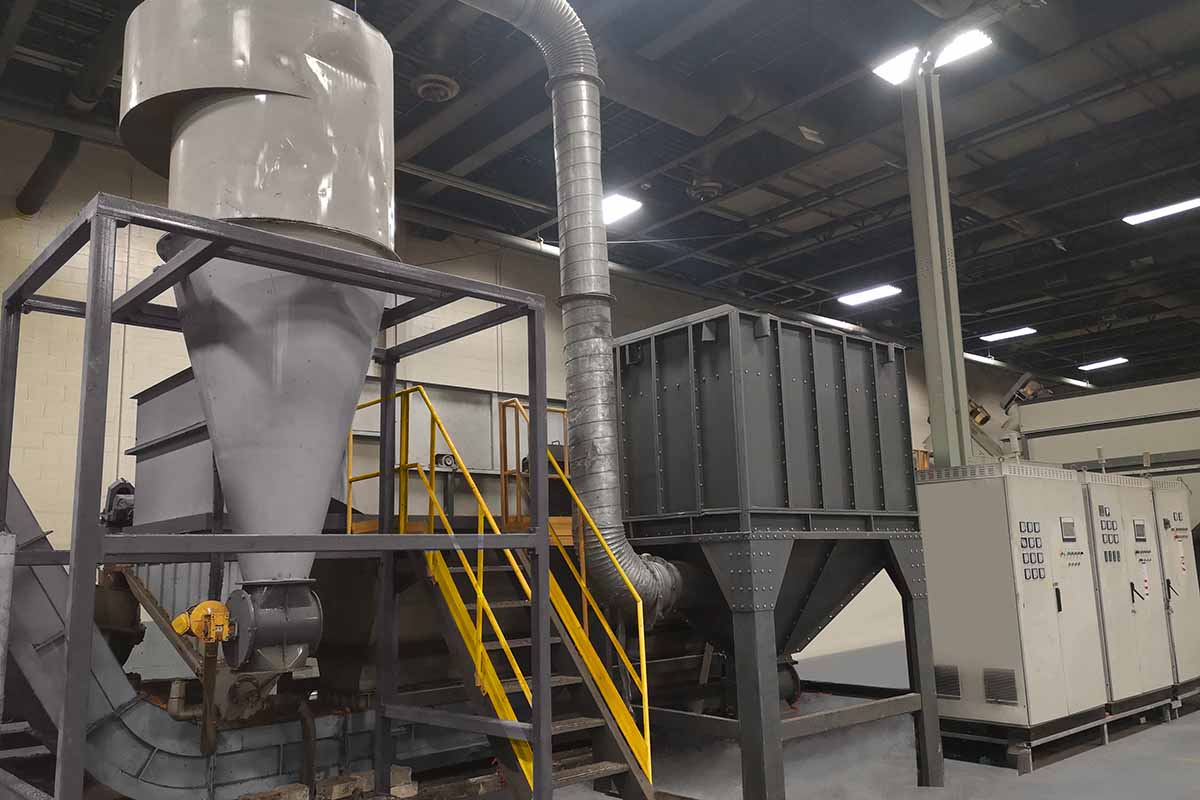
[caption id="attachment_15439" align="aligncenter" width="1200"] Owl Electronic Recycling operates a wash line handling e-plastics at its Pennsylvania facility. | Courtesy of Owl Electronic Recycling[/caption]
Pennsylvania e-scrap firm Owl Electronic Recycling installed e-plastics sortation equipment in response to China's scrap plastic import ban. That's proved beneficial for the latest market disruption restricting the scrap plastic trade.
Longtime e-scrap processor Owl Electronic Recycling installed e-plastics processing capacity in 2018 and has been processing the materials since then.
In recent weeks, as the Basel Convention amendment has taken effect and further reduced the e-scrap industry's ability to move e-plastics, the company has received additional inquiries about its e-plastics capacity.
"We've gotten many phone calls from local recyclers in the area," company founder Jason Wen said in an interview. "Everybody's been struggling to export e-plastic."
Because of the current export market disruption, Owl is considering further expansion with additional facilities, Wen said. The company is particularly interested in forming a joint-venture with a large partner, such as an OEM, he said.
Owl Electronic Recycling operates a wash line handling e-plastics at its Pennsylvania facility. | Courtesy of Owl Electronic Recycling[/caption]
Pennsylvania e-scrap firm Owl Electronic Recycling installed e-plastics sortation equipment in response to China's scrap plastic import ban. That's proved beneficial for the latest market disruption restricting the scrap plastic trade.
Longtime e-scrap processor Owl Electronic Recycling installed e-plastics processing capacity in 2018 and has been processing the materials since then.
In recent weeks, as the Basel Convention amendment has taken effect and further reduced the e-scrap industry's ability to move e-plastics, the company has received additional inquiries about its e-plastics capacity.
"We've gotten many phone calls from local recyclers in the area," company founder Jason Wen said in an interview. "Everybody's been struggling to export e-plastic."
Because of the current export market disruption, Owl is considering further expansion with additional facilities, Wen said. The company is particularly interested in forming a joint-venture with a large partner, such as an OEM, he said.
Categories