 Electronics recycling and repair advocates provided comments to the EPA as the agency considers changing what counts toward the national recycling rate. | Photographee.eu / Shutterstock[/caption]
If electronics are repaired, refurbished or remanufactured, should their weight be counted in the U.S. recycling rate?
That's just one of many questions the EPA is grappling with as it seeks to define exactly what “recycling rate” will mean. Last fall, the agency released a national recycling rate goal of 50% by 2030. Using current methodologies, the EPA estimates the U.S. has a 32% recycling rate. For electronics, specifically, it was 38.5% in 2018. In that calculation, EPA is counting "selected consumer electronics," which includes "products such as TVs, VCRs, DVD players, video cameras, stereo systems, telephones and computer equipment."
But the EPA is considering changing the recycling rate calculation methodologies. In particular, the agency is examining which sources of material, types of materials, management pathways and destinations to count in the recycling rate. Not surprisingly, among the 108 comments from different recycling industry stakeholders, advice differed markedly.
Electronics recycling and repair advocates provided comments to the EPA as the agency considers changing what counts toward the national recycling rate. | Photographee.eu / Shutterstock[/caption]
If electronics are repaired, refurbished or remanufactured, should their weight be counted in the U.S. recycling rate?
That's just one of many questions the EPA is grappling with as it seeks to define exactly what “recycling rate” will mean. Last fall, the agency released a national recycling rate goal of 50% by 2030. Using current methodologies, the EPA estimates the U.S. has a 32% recycling rate. For electronics, specifically, it was 38.5% in 2018. In that calculation, EPA is counting "selected consumer electronics," which includes "products such as TVs, VCRs, DVD players, video cameras, stereo systems, telephones and computer equipment."
But the EPA is considering changing the recycling rate calculation methodologies. In particular, the agency is examining which sources of material, types of materials, management pathways and destinations to count in the recycling rate. Not surprisingly, among the 108 comments from different recycling industry stakeholders, advice differed markedly.
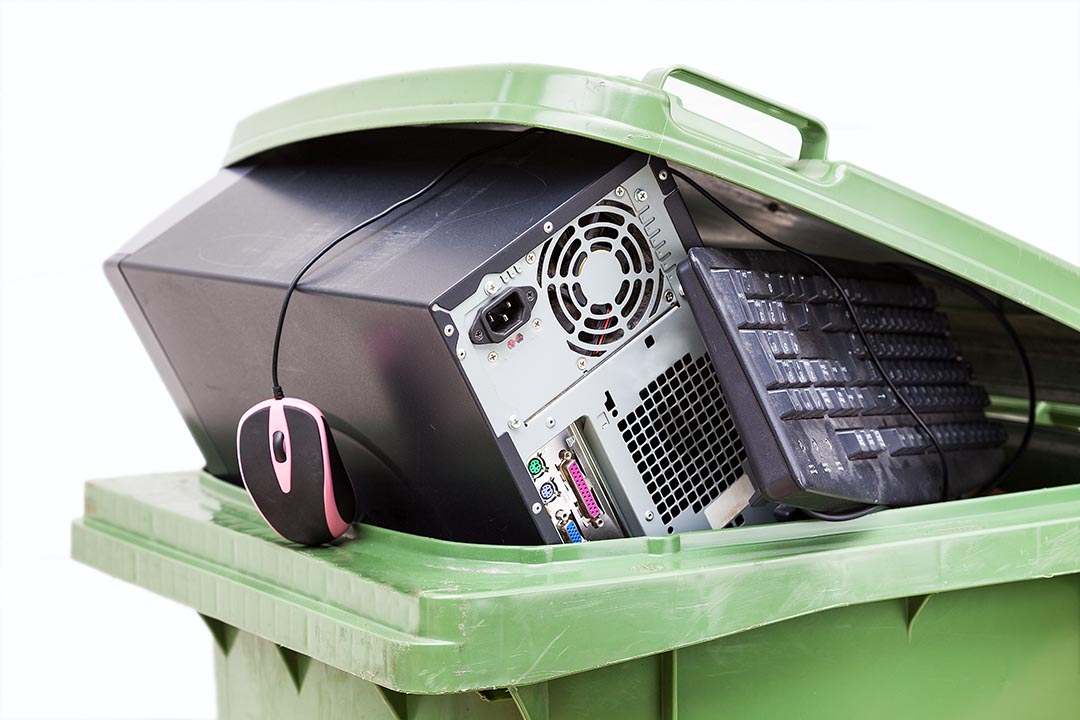
[caption id="attachment_8917" align="aligncenter" width="1080"] Electronics recycling and repair advocates provided comments to the EPA as the agency considers changing what counts toward the national recycling rate. | Photographee.eu / Shutterstock[/caption]
If electronics are repaired, refurbished or remanufactured, should their weight be counted in the U.S. recycling rate?
That's just one of many questions the EPA is grappling with as it seeks to define exactly what “recycling rate” will mean. Last fall, the agency released a national recycling rate goal of 50% by 2030. Using current methodologies, the EPA estimates the U.S. has a 32% recycling rate. For electronics, specifically, it was 38.5% in 2018. In that calculation, EPA is counting "selected consumer electronics," which includes "products such as TVs, VCRs, DVD players, video cameras, stereo systems, telephones and computer equipment."
But the EPA is considering changing the recycling rate calculation methodologies. In particular, the agency is examining which sources of material, types of materials, management pathways and destinations to count in the recycling rate. Not surprisingly, among the 108 comments from different recycling industry stakeholders, advice differed markedly.
Electronics recycling and repair advocates provided comments to the EPA as the agency considers changing what counts toward the national recycling rate. | Photographee.eu / Shutterstock[/caption]
If electronics are repaired, refurbished or remanufactured, should their weight be counted in the U.S. recycling rate?
That's just one of many questions the EPA is grappling with as it seeks to define exactly what “recycling rate” will mean. Last fall, the agency released a national recycling rate goal of 50% by 2030. Using current methodologies, the EPA estimates the U.S. has a 32% recycling rate. For electronics, specifically, it was 38.5% in 2018. In that calculation, EPA is counting "selected consumer electronics," which includes "products such as TVs, VCRs, DVD players, video cameras, stereo systems, telephones and computer equipment."
But the EPA is considering changing the recycling rate calculation methodologies. In particular, the agency is examining which sources of material, types of materials, management pathways and destinations to count in the recycling rate. Not surprisingly, among the 108 comments from different recycling industry stakeholders, advice differed markedly.
Categories