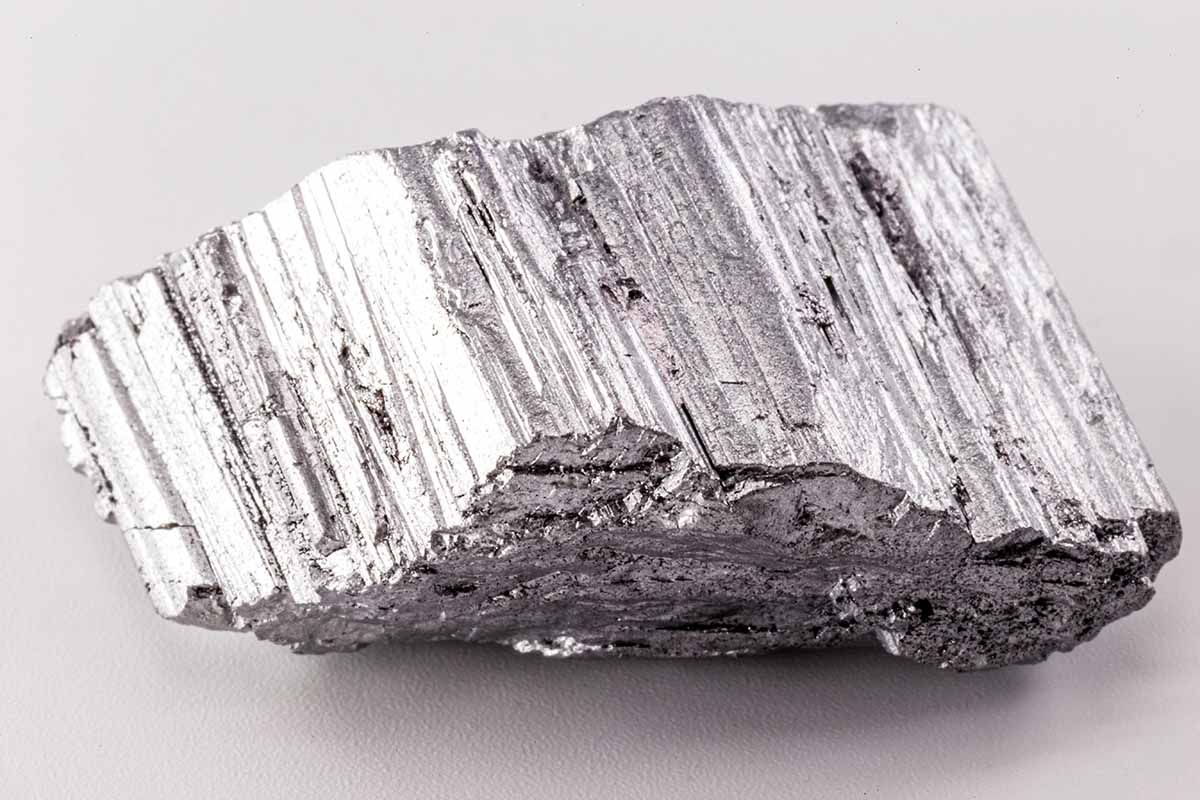
 The U.S. government is investing millions of dollars to develop technologies to recover rare earths, such as neodymium. | RHJPhtotoandilustration/Shutterstock[/caption]
The U.S. military has kickstarted a $5 million project to research and develop technologies for recovering critical metals from e-scrap.
The Defense Advanced Research Projects Agency (DARPA) is accepting R&D proposals from several teams focused on recovering rare earth elements and other critical metals found in electronics.
The move is aimed at bolstering supply chains for metals that are crucial for components used in defense and civilian hardware, particularly metals for which the U.S. is largely dependent on China. DARPA’s project, called the Recycling at the Point of Disposal (RPOD) Disruption Opportunity (DO), comes as the Biden administration has announced a number of new efforts to shore up domestic supply chains.
Last year, the White House published a report, "Building resilient supply chains, revitalizing American manufacturing, and fostering broad-based growth," that called for investments in recovery of rare earth elements from e-scrap.
In February, the U.S. Department of Energy (DOE) announced it would spend $2.91 billion to fund battery materials refining and production plants, battery cell and pack manufacturing facilities and recycling facilities, according to a press release, which noted that national security is among the concerns driving the effort. The money was appropriated by the infrastructure law that passed Congress last year with support from members of both parties. On Feb. 14, the DOE announced $140 million to support technologies to recover rare earth elements from industrial waste streams, including waste from mining.
The U.S. government is investing millions of dollars to develop technologies to recover rare earths, such as neodymium. | RHJPhtotoandilustration/Shutterstock[/caption]
The U.S. military has kickstarted a $5 million project to research and develop technologies for recovering critical metals from e-scrap.
The Defense Advanced Research Projects Agency (DARPA) is accepting R&D proposals from several teams focused on recovering rare earth elements and other critical metals found in electronics.
The move is aimed at bolstering supply chains for metals that are crucial for components used in defense and civilian hardware, particularly metals for which the U.S. is largely dependent on China. DARPA’s project, called the Recycling at the Point of Disposal (RPOD) Disruption Opportunity (DO), comes as the Biden administration has announced a number of new efforts to shore up domestic supply chains.
Last year, the White House published a report, "Building resilient supply chains, revitalizing American manufacturing, and fostering broad-based growth," that called for investments in recovery of rare earth elements from e-scrap.
In February, the U.S. Department of Energy (DOE) announced it would spend $2.91 billion to fund battery materials refining and production plants, battery cell and pack manufacturing facilities and recycling facilities, according to a press release, which noted that national security is among the concerns driving the effort. The money was appropriated by the infrastructure law that passed Congress last year with support from members of both parties. On Feb. 14, the DOE announced $140 million to support technologies to recover rare earth elements from industrial waste streams, including waste from mining.
[caption id="attachment_18078" align="aligncenter" width="1200"] The U.S. government is investing millions of dollars to develop technologies to recover rare earths, such as neodymium. | RHJPhtotoandilustration/Shutterstock[/caption]
The U.S. military has kickstarted a $5 million project to research and develop technologies for recovering critical metals from e-scrap.
The Defense Advanced Research Projects Agency (DARPA) is accepting R&D proposals from several teams focused on recovering rare earth elements and other critical metals found in electronics.
The move is aimed at bolstering supply chains for metals that are crucial for components used in defense and civilian hardware, particularly metals for which the U.S. is largely dependent on China. DARPA’s project, called the Recycling at the Point of Disposal (RPOD) Disruption Opportunity (DO), comes as the Biden administration has announced a number of new efforts to shore up domestic supply chains.
Last year, the White House published a report, "Building resilient supply chains, revitalizing American manufacturing, and fostering broad-based growth," that called for investments in recovery of rare earth elements from e-scrap.
In February, the U.S. Department of Energy (DOE) announced it would spend $2.91 billion to fund battery materials refining and production plants, battery cell and pack manufacturing facilities and recycling facilities, according to a press release, which noted that national security is among the concerns driving the effort. The money was appropriated by the infrastructure law that passed Congress last year with support from members of both parties. On Feb. 14, the DOE announced $140 million to support technologies to recover rare earth elements from industrial waste streams, including waste from mining.
The U.S. government is investing millions of dollars to develop technologies to recover rare earths, such as neodymium. | RHJPhtotoandilustration/Shutterstock[/caption]
The U.S. military has kickstarted a $5 million project to research and develop technologies for recovering critical metals from e-scrap.
The Defense Advanced Research Projects Agency (DARPA) is accepting R&D proposals from several teams focused on recovering rare earth elements and other critical metals found in electronics.
The move is aimed at bolstering supply chains for metals that are crucial for components used in defense and civilian hardware, particularly metals for which the U.S. is largely dependent on China. DARPA’s project, called the Recycling at the Point of Disposal (RPOD) Disruption Opportunity (DO), comes as the Biden administration has announced a number of new efforts to shore up domestic supply chains.
Last year, the White House published a report, "Building resilient supply chains, revitalizing American manufacturing, and fostering broad-based growth," that called for investments in recovery of rare earth elements from e-scrap.
In February, the U.S. Department of Energy (DOE) announced it would spend $2.91 billion to fund battery materials refining and production plants, battery cell and pack manufacturing facilities and recycling facilities, according to a press release, which noted that national security is among the concerns driving the effort. The money was appropriated by the infrastructure law that passed Congress last year with support from members of both parties. On Feb. 14, the DOE announced $140 million to support technologies to recover rare earth elements from industrial waste streams, including waste from mining.
Categories