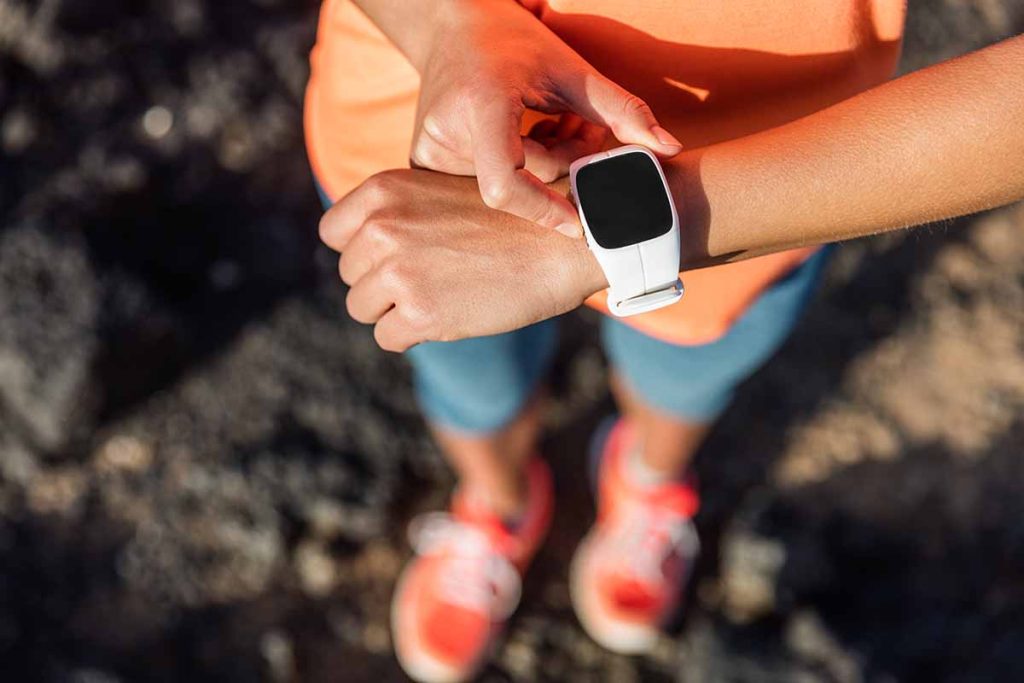
 Devices covered by the recently released interpretation include smart TVs, smart watches, fitness trackers and IP-connected home security devices. | Maridav/Shutterstock[/caption]
A formal interpretation of the R2v3 standard aims to help certified facilities deal with smart devices that pose unique data sanitization challenges.
After hearing from refurbishers that some devices were difficult to sanitize, Sustainable Electronics Recycling International (SERI) made a formal interpretation request to the R2 Technical Advisory Committee (TAC) to clarify the meaning of “software” in the context of smart wearables and other data-storing devices.
In a discussion of the interpretation, SERI said a trend has begun "where commercial software designed to sanitize data cannot always access new devices for data sanitization because of their unique proprietary design."
SERI noted that "the intent is not to destroy working devices if a credible method can be used to reliably sanitize the data to the manufacturer's specifications with transparency and accountability."
"Therefore, it is important to accept alternative data sanitization solutions which are proven to effectively remove data from the devices that will be resold," the organization concluded.
Some devices the interpretation might apply to are smart speakers, smart TVs, smart watches, fitness trackers, TV sticks, desk phones, smart thermostats, IP-connected home security devices, and gaming consoles and printers with built-in memory chips (as opposed to hard drives).
Devices covered by the recently released interpretation include smart TVs, smart watches, fitness trackers and IP-connected home security devices. | Maridav/Shutterstock[/caption]
A formal interpretation of the R2v3 standard aims to help certified facilities deal with smart devices that pose unique data sanitization challenges.
After hearing from refurbishers that some devices were difficult to sanitize, Sustainable Electronics Recycling International (SERI) made a formal interpretation request to the R2 Technical Advisory Committee (TAC) to clarify the meaning of “software” in the context of smart wearables and other data-storing devices.
In a discussion of the interpretation, SERI said a trend has begun "where commercial software designed to sanitize data cannot always access new devices for data sanitization because of their unique proprietary design."
SERI noted that "the intent is not to destroy working devices if a credible method can be used to reliably sanitize the data to the manufacturer's specifications with transparency and accountability."
"Therefore, it is important to accept alternative data sanitization solutions which are proven to effectively remove data from the devices that will be resold," the organization concluded.
Some devices the interpretation might apply to are smart speakers, smart TVs, smart watches, fitness trackers, TV sticks, desk phones, smart thermostats, IP-connected home security devices, and gaming consoles and printers with built-in memory chips (as opposed to hard drives).
[caption id="attachment_20442" align="aligncenter" width="900"] Devices covered by the recently released interpretation include smart TVs, smart watches, fitness trackers and IP-connected home security devices. | Maridav/Shutterstock[/caption]
A formal interpretation of the R2v3 standard aims to help certified facilities deal with smart devices that pose unique data sanitization challenges.
After hearing from refurbishers that some devices were difficult to sanitize, Sustainable Electronics Recycling International (SERI) made a formal interpretation request to the R2 Technical Advisory Committee (TAC) to clarify the meaning of “software” in the context of smart wearables and other data-storing devices.
In a discussion of the interpretation, SERI said a trend has begun "where commercial software designed to sanitize data cannot always access new devices for data sanitization because of their unique proprietary design."
SERI noted that "the intent is not to destroy working devices if a credible method can be used to reliably sanitize the data to the manufacturer's specifications with transparency and accountability."
"Therefore, it is important to accept alternative data sanitization solutions which are proven to effectively remove data from the devices that will be resold," the organization concluded.
Some devices the interpretation might apply to are smart speakers, smart TVs, smart watches, fitness trackers, TV sticks, desk phones, smart thermostats, IP-connected home security devices, and gaming consoles and printers with built-in memory chips (as opposed to hard drives).
Devices covered by the recently released interpretation include smart TVs, smart watches, fitness trackers and IP-connected home security devices. | Maridav/Shutterstock[/caption]
A formal interpretation of the R2v3 standard aims to help certified facilities deal with smart devices that pose unique data sanitization challenges.
After hearing from refurbishers that some devices were difficult to sanitize, Sustainable Electronics Recycling International (SERI) made a formal interpretation request to the R2 Technical Advisory Committee (TAC) to clarify the meaning of “software” in the context of smart wearables and other data-storing devices.
In a discussion of the interpretation, SERI said a trend has begun "where commercial software designed to sanitize data cannot always access new devices for data sanitization because of their unique proprietary design."
SERI noted that "the intent is not to destroy working devices if a credible method can be used to reliably sanitize the data to the manufacturer's specifications with transparency and accountability."
"Therefore, it is important to accept alternative data sanitization solutions which are proven to effectively remove data from the devices that will be resold," the organization concluded.
Some devices the interpretation might apply to are smart speakers, smart TVs, smart watches, fitness trackers, TV sticks, desk phones, smart thermostats, IP-connected home security devices, and gaming consoles and printers with built-in memory chips (as opposed to hard drives).
Categories