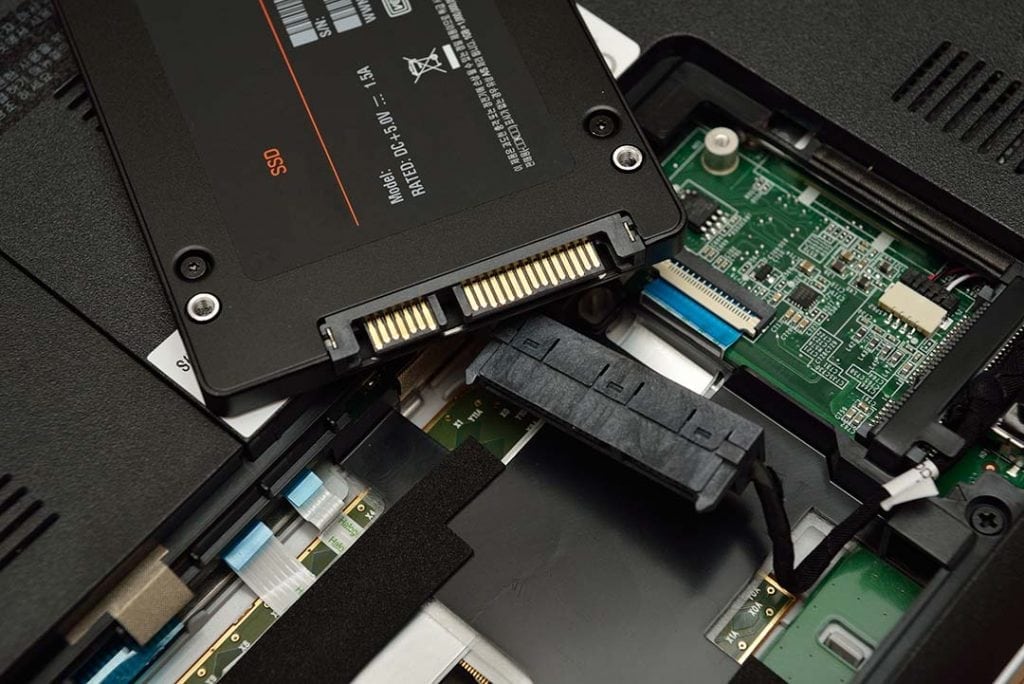
 Oregon's SB 542 would require OEMs to make the same information they give to authorized repair shops available to independent shops and consumers. | JIPEN/Shutterstock[/caption]
Public testimony on a proposed consumer electronics right-to-repair bill in Oregon spilled over into two days, with 19 speaking in favor and eight speaking against.
The Oregon Senate Committee on Energy and Environment heard public testimony on SB 542 on Feb. 9 and Feb. 14, with 27 people signed up to speak.
The bill would require OEMs to make available to owners of consumer electronics or independent repair providers any documentation, tool, part or other device that the OEM makes available to authorized repair providers, on fair and reasonable terms. That includes software and hardware.
"Fair and reasonable" means that the documentation and tools would be provided at no charge unless there is a cost to print or ship them, that parts are sold at costs "equivalent to the most favorable costs and terms" the OEM offers to authorized repair providers, and that there is no obligation for independent repair providers or device owners to become authorized repair providers.
It also gives anyone who suffers "ascertainable loss of money or property" due to an OEM's failure to comply the right to bring legal action to recover the greater of the actual damages or statutory damages of $1,000. That includes class action lawsuits.
It does not require OEMs to disclose any trade secrets, unless they're necessary for repair, and does not impose liability on the OEM for any bodily injury or damage to the devices due to independent repairs.
The draft bill excludes motor vehicles, anything that is not available for retail sale to a consumer, devices covered by the U.S. Food and Drug Administration, HVAC systems and solar power systems.
Sen. Janeen Sollman, chair of the committee and a sponsor of the bill, told her fellow committee members that "this is about the environment. This is about consumer protection and small business support. It is about your right to repair."
"My belief is if you own it you should be able to choose where and how you repair it, but all too often the only option available to you is to have your device fixed through the manufacturer," she said on Feb. 9.
She noted that previous attempts to pass a consumer electronics right-to-repair bill were very broad, and this one is more specific about what it covers.
Oregon's SB 542 would require OEMs to make the same information they give to authorized repair shops available to independent shops and consumers. | JIPEN/Shutterstock[/caption]
Public testimony on a proposed consumer electronics right-to-repair bill in Oregon spilled over into two days, with 19 speaking in favor and eight speaking against.
The Oregon Senate Committee on Energy and Environment heard public testimony on SB 542 on Feb. 9 and Feb. 14, with 27 people signed up to speak.
The bill would require OEMs to make available to owners of consumer electronics or independent repair providers any documentation, tool, part or other device that the OEM makes available to authorized repair providers, on fair and reasonable terms. That includes software and hardware.
"Fair and reasonable" means that the documentation and tools would be provided at no charge unless there is a cost to print or ship them, that parts are sold at costs "equivalent to the most favorable costs and terms" the OEM offers to authorized repair providers, and that there is no obligation for independent repair providers or device owners to become authorized repair providers.
It also gives anyone who suffers "ascertainable loss of money or property" due to an OEM's failure to comply the right to bring legal action to recover the greater of the actual damages or statutory damages of $1,000. That includes class action lawsuits.
It does not require OEMs to disclose any trade secrets, unless they're necessary for repair, and does not impose liability on the OEM for any bodily injury or damage to the devices due to independent repairs.
The draft bill excludes motor vehicles, anything that is not available for retail sale to a consumer, devices covered by the U.S. Food and Drug Administration, HVAC systems and solar power systems.
Sen. Janeen Sollman, chair of the committee and a sponsor of the bill, told her fellow committee members that "this is about the environment. This is about consumer protection and small business support. It is about your right to repair."
"My belief is if you own it you should be able to choose where and how you repair it, but all too often the only option available to you is to have your device fixed through the manufacturer," she said on Feb. 9.
She noted that previous attempts to pass a consumer electronics right-to-repair bill were very broad, and this one is more specific about what it covers.
[caption id="attachment_9567" align="aligncenter" width="900"] Oregon's SB 542 would require OEMs to make the same information they give to authorized repair shops available to independent shops and consumers. | JIPEN/Shutterstock[/caption]
Public testimony on a proposed consumer electronics right-to-repair bill in Oregon spilled over into two days, with 19 speaking in favor and eight speaking against.
The Oregon Senate Committee on Energy and Environment heard public testimony on SB 542 on Feb. 9 and Feb. 14, with 27 people signed up to speak.
The bill would require OEMs to make available to owners of consumer electronics or independent repair providers any documentation, tool, part or other device that the OEM makes available to authorized repair providers, on fair and reasonable terms. That includes software and hardware.
"Fair and reasonable" means that the documentation and tools would be provided at no charge unless there is a cost to print or ship them, that parts are sold at costs "equivalent to the most favorable costs and terms" the OEM offers to authorized repair providers, and that there is no obligation for independent repair providers or device owners to become authorized repair providers.
It also gives anyone who suffers "ascertainable loss of money or property" due to an OEM's failure to comply the right to bring legal action to recover the greater of the actual damages or statutory damages of $1,000. That includes class action lawsuits.
It does not require OEMs to disclose any trade secrets, unless they're necessary for repair, and does not impose liability on the OEM for any bodily injury or damage to the devices due to independent repairs.
The draft bill excludes motor vehicles, anything that is not available for retail sale to a consumer, devices covered by the U.S. Food and Drug Administration, HVAC systems and solar power systems.
Sen. Janeen Sollman, chair of the committee and a sponsor of the bill, told her fellow committee members that "this is about the environment. This is about consumer protection and small business support. It is about your right to repair."
"My belief is if you own it you should be able to choose where and how you repair it, but all too often the only option available to you is to have your device fixed through the manufacturer," she said on Feb. 9.
She noted that previous attempts to pass a consumer electronics right-to-repair bill were very broad, and this one is more specific about what it covers.
Oregon's SB 542 would require OEMs to make the same information they give to authorized repair shops available to independent shops and consumers. | JIPEN/Shutterstock[/caption]
Public testimony on a proposed consumer electronics right-to-repair bill in Oregon spilled over into two days, with 19 speaking in favor and eight speaking against.
The Oregon Senate Committee on Energy and Environment heard public testimony on SB 542 on Feb. 9 and Feb. 14, with 27 people signed up to speak.
The bill would require OEMs to make available to owners of consumer electronics or independent repair providers any documentation, tool, part or other device that the OEM makes available to authorized repair providers, on fair and reasonable terms. That includes software and hardware.
"Fair and reasonable" means that the documentation and tools would be provided at no charge unless there is a cost to print or ship them, that parts are sold at costs "equivalent to the most favorable costs and terms" the OEM offers to authorized repair providers, and that there is no obligation for independent repair providers or device owners to become authorized repair providers.
It also gives anyone who suffers "ascertainable loss of money or property" due to an OEM's failure to comply the right to bring legal action to recover the greater of the actual damages or statutory damages of $1,000. That includes class action lawsuits.
It does not require OEMs to disclose any trade secrets, unless they're necessary for repair, and does not impose liability on the OEM for any bodily injury or damage to the devices due to independent repairs.
The draft bill excludes motor vehicles, anything that is not available for retail sale to a consumer, devices covered by the U.S. Food and Drug Administration, HVAC systems and solar power systems.
Sen. Janeen Sollman, chair of the committee and a sponsor of the bill, told her fellow committee members that "this is about the environment. This is about consumer protection and small business support. It is about your right to repair."
"My belief is if you own it you should be able to choose where and how you repair it, but all too often the only option available to you is to have your device fixed through the manufacturer," she said on Feb. 9.
She noted that previous attempts to pass a consumer electronics right-to-repair bill were very broad, and this one is more specific about what it covers.
Categories