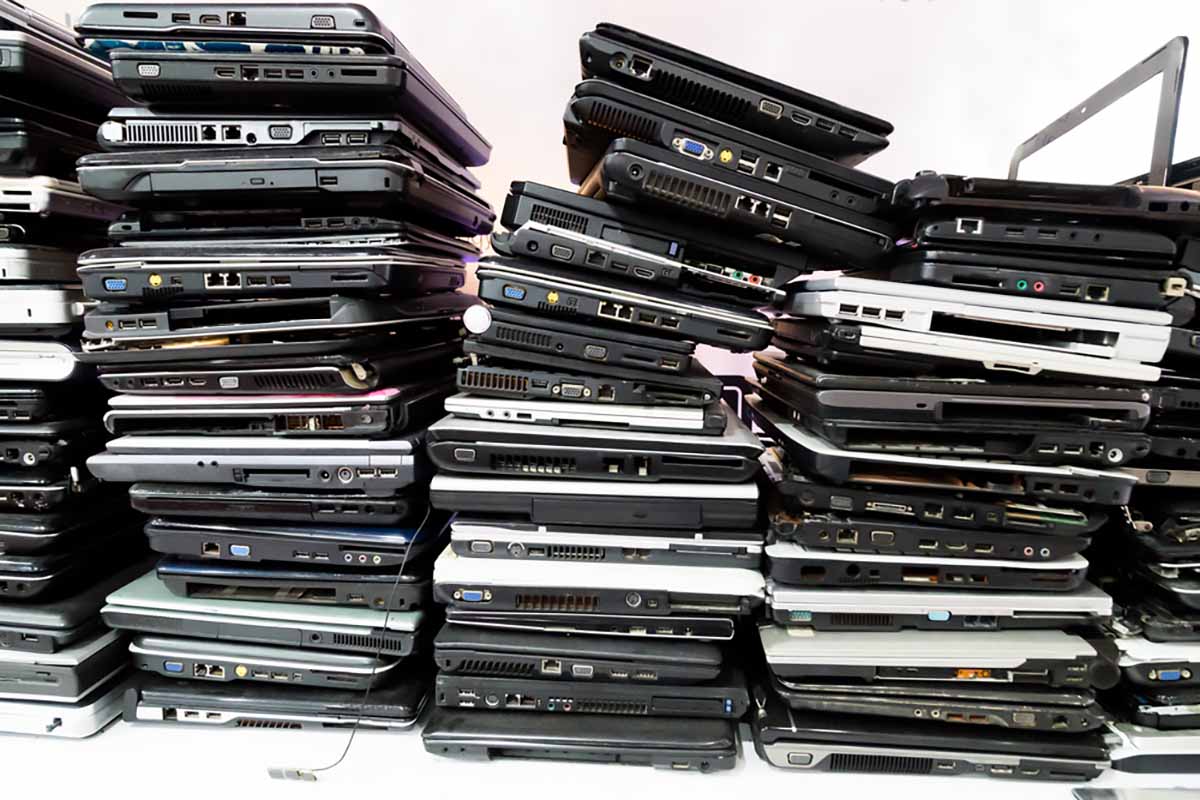
 The latest e-scrap legislation in the Keystone State aims to address an accumulation of electronics that are expensive or difficult for residents to recycle. | ThamKC/Shutterstock[/caption]
Two Pennsylvania senators are trying to restructure the current e-scrap recycling program to make it more efficient and convenient.
Senate Bill 734 is a bipartisan bill that would amend the 2010 Covered Device Recycling Act, restructuring the current system and establishing the Pennsylvania E-Waste Steering Committee, a group of environmental and industry advocates and experts appointed by various state legislative leaders.
According to a press release, co-sponsors Senator Tracy Pennycuick, a Republican, and Senator Amanda Cappelletti, a Democrat, are looking to address the accumulation of electronic devices, program convenience and program costs by establishing a clearinghouse model and implementing eco-fees customers pay at the point of purchase for covered materials. Under the bill, those fees would go into place March 31, 2024, and would not be allowed to exceed $10. Covered materials are computers, televisions, printers, videocassette recorders, portable digital music players, digital video disc players and peripherals.
The Electronic Waste Recycling Modernization Act is a reintroduction of SB 1310 from last session, a Democrat-sponsored bill that died in committee. SB 1310 also would have created a steering committee and updated the extended producer responsibility program for electronics to be managed by a clearinghouse and funded by fees assessed when new covered devices were purchased.
The reintroduced legislation would create a "collaborative, self-sustaining system" of manufacturers, recyclers, retailers, local governments and the state Department of Environmental Protection, the press release stated. It sets convenience standards, including "reasonable days and hours of operation."
All counties in the state would be able to participate in the program and residents could drop off materials at no cost to themselves or their municipalities.
The latest e-scrap legislation in the Keystone State aims to address an accumulation of electronics that are expensive or difficult for residents to recycle. | ThamKC/Shutterstock[/caption]
Two Pennsylvania senators are trying to restructure the current e-scrap recycling program to make it more efficient and convenient.
Senate Bill 734 is a bipartisan bill that would amend the 2010 Covered Device Recycling Act, restructuring the current system and establishing the Pennsylvania E-Waste Steering Committee, a group of environmental and industry advocates and experts appointed by various state legislative leaders.
According to a press release, co-sponsors Senator Tracy Pennycuick, a Republican, and Senator Amanda Cappelletti, a Democrat, are looking to address the accumulation of electronic devices, program convenience and program costs by establishing a clearinghouse model and implementing eco-fees customers pay at the point of purchase for covered materials. Under the bill, those fees would go into place March 31, 2024, and would not be allowed to exceed $10. Covered materials are computers, televisions, printers, videocassette recorders, portable digital music players, digital video disc players and peripherals.
The Electronic Waste Recycling Modernization Act is a reintroduction of SB 1310 from last session, a Democrat-sponsored bill that died in committee. SB 1310 also would have created a steering committee and updated the extended producer responsibility program for electronics to be managed by a clearinghouse and funded by fees assessed when new covered devices were purchased.
The reintroduced legislation would create a "collaborative, self-sustaining system" of manufacturers, recyclers, retailers, local governments and the state Department of Environmental Protection, the press release stated. It sets convenience standards, including "reasonable days and hours of operation."
All counties in the state would be able to participate in the program and residents could drop off materials at no cost to themselves or their municipalities.
[caption id="attachment_16348" align="aligncenter" width="1200"] The latest e-scrap legislation in the Keystone State aims to address an accumulation of electronics that are expensive or difficult for residents to recycle. | ThamKC/Shutterstock[/caption]
Two Pennsylvania senators are trying to restructure the current e-scrap recycling program to make it more efficient and convenient.
Senate Bill 734 is a bipartisan bill that would amend the 2010 Covered Device Recycling Act, restructuring the current system and establishing the Pennsylvania E-Waste Steering Committee, a group of environmental and industry advocates and experts appointed by various state legislative leaders.
According to a press release, co-sponsors Senator Tracy Pennycuick, a Republican, and Senator Amanda Cappelletti, a Democrat, are looking to address the accumulation of electronic devices, program convenience and program costs by establishing a clearinghouse model and implementing eco-fees customers pay at the point of purchase for covered materials. Under the bill, those fees would go into place March 31, 2024, and would not be allowed to exceed $10. Covered materials are computers, televisions, printers, videocassette recorders, portable digital music players, digital video disc players and peripherals.
The Electronic Waste Recycling Modernization Act is a reintroduction of SB 1310 from last session, a Democrat-sponsored bill that died in committee. SB 1310 also would have created a steering committee and updated the extended producer responsibility program for electronics to be managed by a clearinghouse and funded by fees assessed when new covered devices were purchased.
The reintroduced legislation would create a "collaborative, self-sustaining system" of manufacturers, recyclers, retailers, local governments and the state Department of Environmental Protection, the press release stated. It sets convenience standards, including "reasonable days and hours of operation."
All counties in the state would be able to participate in the program and residents could drop off materials at no cost to themselves or their municipalities.
The latest e-scrap legislation in the Keystone State aims to address an accumulation of electronics that are expensive or difficult for residents to recycle. | ThamKC/Shutterstock[/caption]
Two Pennsylvania senators are trying to restructure the current e-scrap recycling program to make it more efficient and convenient.
Senate Bill 734 is a bipartisan bill that would amend the 2010 Covered Device Recycling Act, restructuring the current system and establishing the Pennsylvania E-Waste Steering Committee, a group of environmental and industry advocates and experts appointed by various state legislative leaders.
According to a press release, co-sponsors Senator Tracy Pennycuick, a Republican, and Senator Amanda Cappelletti, a Democrat, are looking to address the accumulation of electronic devices, program convenience and program costs by establishing a clearinghouse model and implementing eco-fees customers pay at the point of purchase for covered materials. Under the bill, those fees would go into place March 31, 2024, and would not be allowed to exceed $10. Covered materials are computers, televisions, printers, videocassette recorders, portable digital music players, digital video disc players and peripherals.
The Electronic Waste Recycling Modernization Act is a reintroduction of SB 1310 from last session, a Democrat-sponsored bill that died in committee. SB 1310 also would have created a steering committee and updated the extended producer responsibility program for electronics to be managed by a clearinghouse and funded by fees assessed when new covered devices were purchased.
The reintroduced legislation would create a "collaborative, self-sustaining system" of manufacturers, recyclers, retailers, local governments and the state Department of Environmental Protection, the press release stated. It sets convenience standards, including "reasonable days and hours of operation."
All counties in the state would be able to participate in the program and residents could drop off materials at no cost to themselves or their municipalities.
Categories