 The two nationwide projects will collect household batteries and help improve access to recycling programs in underserved communities. | Vietnam Stock Photos/Shutterstock[/caption]
Two battery recycling projects will add drop-off locations at hundreds of Staples and Batteries Plus across the country thanks to U.S. Department of Energy funds, the agency announced this week.
The projects will add a combined 1,000 consumer drop-off sites, many of them in Justice40 areas that are often underserved by environmental programs, the DOE said in a press release.
The grants are funded by the Bipartisan Infrastructure Law. With this funding, the DOE is working to help build a domestic recycling network for batteries to strengthen the domestic supply chain for EV materials, such as nickel, lithium, cobalt, manganese, copper and graphite, according to the announcement.
"Retailers can play a vital role in making recycling accessible and easy for consumers," the department said in a written statement. "Retailer storefronts visited by consumers are prime locations for battery collection. Collection points can also serve as an incentive for consumers to visit store fronts."
The projects will collect various types, including household single-use batteries.
Each of the two selected projects stated the federal portion of the cost at around $7 million. Before issuing the funding, the DOE and the applicants will undergo a negotiation process, according to the release.
In the spring, the DOE announced 17 projects that would receive funds that aimed to improve consumer access to battery recycling and to improve the economics of battery processing.
The two nationwide projects will collect household batteries and help improve access to recycling programs in underserved communities. | Vietnam Stock Photos/Shutterstock[/caption]
Two battery recycling projects will add drop-off locations at hundreds of Staples and Batteries Plus across the country thanks to U.S. Department of Energy funds, the agency announced this week.
The projects will add a combined 1,000 consumer drop-off sites, many of them in Justice40 areas that are often underserved by environmental programs, the DOE said in a press release.
The grants are funded by the Bipartisan Infrastructure Law. With this funding, the DOE is working to help build a domestic recycling network for batteries to strengthen the domestic supply chain for EV materials, such as nickel, lithium, cobalt, manganese, copper and graphite, according to the announcement.
"Retailers can play a vital role in making recycling accessible and easy for consumers," the department said in a written statement. "Retailer storefronts visited by consumers are prime locations for battery collection. Collection points can also serve as an incentive for consumers to visit store fronts."
The projects will collect various types, including household single-use batteries.
Each of the two selected projects stated the federal portion of the cost at around $7 million. Before issuing the funding, the DOE and the applicants will undergo a negotiation process, according to the release.
In the spring, the DOE announced 17 projects that would receive funds that aimed to improve consumer access to battery recycling and to improve the economics of battery processing.
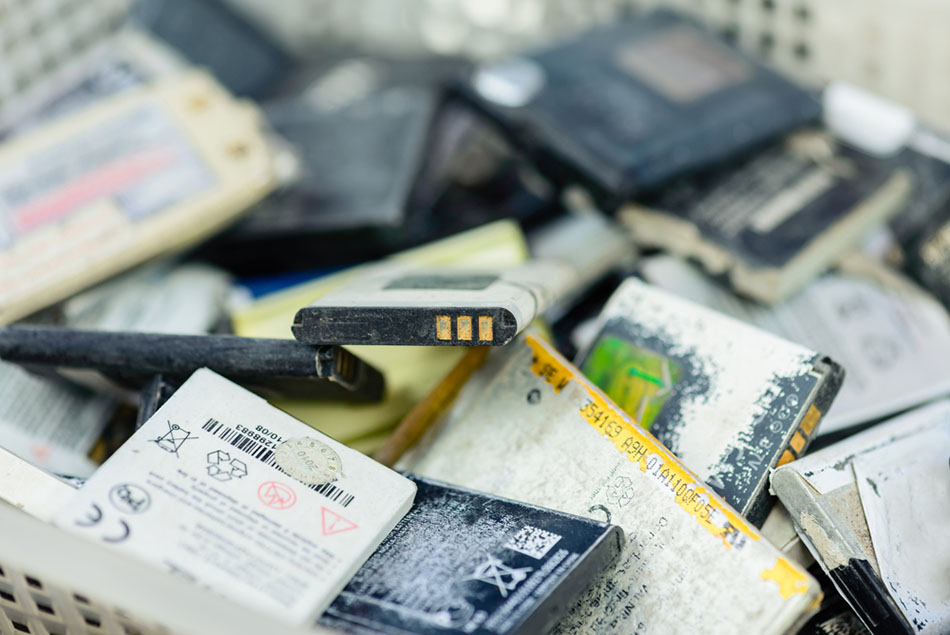
[caption id="attachment_14483" align="aligncenter" width="1200"] The two nationwide projects will collect household batteries and help improve access to recycling programs in underserved communities. | Vietnam Stock Photos/Shutterstock[/caption]
Two battery recycling projects will add drop-off locations at hundreds of Staples and Batteries Plus across the country thanks to U.S. Department of Energy funds, the agency announced this week.
The projects will add a combined 1,000 consumer drop-off sites, many of them in Justice40 areas that are often underserved by environmental programs, the DOE said in a press release.
The grants are funded by the Bipartisan Infrastructure Law. With this funding, the DOE is working to help build a domestic recycling network for batteries to strengthen the domestic supply chain for EV materials, such as nickel, lithium, cobalt, manganese, copper and graphite, according to the announcement.
"Retailers can play a vital role in making recycling accessible and easy for consumers," the department said in a written statement. "Retailer storefronts visited by consumers are prime locations for battery collection. Collection points can also serve as an incentive for consumers to visit store fronts."
The projects will collect various types, including household single-use batteries.
Each of the two selected projects stated the federal portion of the cost at around $7 million. Before issuing the funding, the DOE and the applicants will undergo a negotiation process, according to the release.
In the spring, the DOE announced 17 projects that would receive funds that aimed to improve consumer access to battery recycling and to improve the economics of battery processing.
The two nationwide projects will collect household batteries and help improve access to recycling programs in underserved communities. | Vietnam Stock Photos/Shutterstock[/caption]
Two battery recycling projects will add drop-off locations at hundreds of Staples and Batteries Plus across the country thanks to U.S. Department of Energy funds, the agency announced this week.
The projects will add a combined 1,000 consumer drop-off sites, many of them in Justice40 areas that are often underserved by environmental programs, the DOE said in a press release.
The grants are funded by the Bipartisan Infrastructure Law. With this funding, the DOE is working to help build a domestic recycling network for batteries to strengthen the domestic supply chain for EV materials, such as nickel, lithium, cobalt, manganese, copper and graphite, according to the announcement.
"Retailers can play a vital role in making recycling accessible and easy for consumers," the department said in a written statement. "Retailer storefronts visited by consumers are prime locations for battery collection. Collection points can also serve as an incentive for consumers to visit store fronts."
The projects will collect various types, including household single-use batteries.
Each of the two selected projects stated the federal portion of the cost at around $7 million. Before issuing the funding, the DOE and the applicants will undergo a negotiation process, according to the release.
In the spring, the DOE announced 17 projects that would receive funds that aimed to improve consumer access to battery recycling and to improve the economics of battery processing.
Categories