 Germany's Kraftblock develops storage systems to capture waste heat from heat-intensive processes including e-scrap recycling. | Courtesy of Kraftblock[/caption]
Despite its value in the sustainability sphere, recycling e-scrap is heat- and energy-intensive. Germany-headquartered Kraftblock says the electronics recycling industry needs physical solutions to decarbonize its heat and energy use.
While several methods of harvesting e-scrap exist, they all require extremely high heat. For example, the pyrometallurgy process maintains temperatures of around 750 to 1,500 degrees Fahrenheit, and lead smelting can be almost as hot, according to Kraftblock, a firm specializing in energy storage.
E-scrap is the fastest-growing type of discarded material globally, per the World Economic Forum, owing to rapidly changing technology and consumer preferences that make electronics seem disposable. The heat generated by recycling processes also typically emits large amounts of carbon dioxide and other greenhouse gases that can be avoided – including with power generated via captured heat.
Kraftblock's power-to-heat thermal storage system converts renewable electricity into heat with minimal disruption to existing infrastructure, CEO Martin Schichtel said in a recent interview with E-Scrap News. Kraftblock customizes its technology to provide large-scale, long-duration energy storage, supplying hot air, thermal oil, steam or water at temperatures of up to 2,400 degrees.
The following Q&A has been edited for clarity and brevity.
Germany's Kraftblock develops storage systems to capture waste heat from heat-intensive processes including e-scrap recycling. | Courtesy of Kraftblock[/caption]
Despite its value in the sustainability sphere, recycling e-scrap is heat- and energy-intensive. Germany-headquartered Kraftblock says the electronics recycling industry needs physical solutions to decarbonize its heat and energy use.
While several methods of harvesting e-scrap exist, they all require extremely high heat. For example, the pyrometallurgy process maintains temperatures of around 750 to 1,500 degrees Fahrenheit, and lead smelting can be almost as hot, according to Kraftblock, a firm specializing in energy storage.
E-scrap is the fastest-growing type of discarded material globally, per the World Economic Forum, owing to rapidly changing technology and consumer preferences that make electronics seem disposable. The heat generated by recycling processes also typically emits large amounts of carbon dioxide and other greenhouse gases that can be avoided – including with power generated via captured heat.
Kraftblock's power-to-heat thermal storage system converts renewable electricity into heat with minimal disruption to existing infrastructure, CEO Martin Schichtel said in a recent interview with E-Scrap News. Kraftblock customizes its technology to provide large-scale, long-duration energy storage, supplying hot air, thermal oil, steam or water at temperatures of up to 2,400 degrees.
The following Q&A has been edited for clarity and brevity.
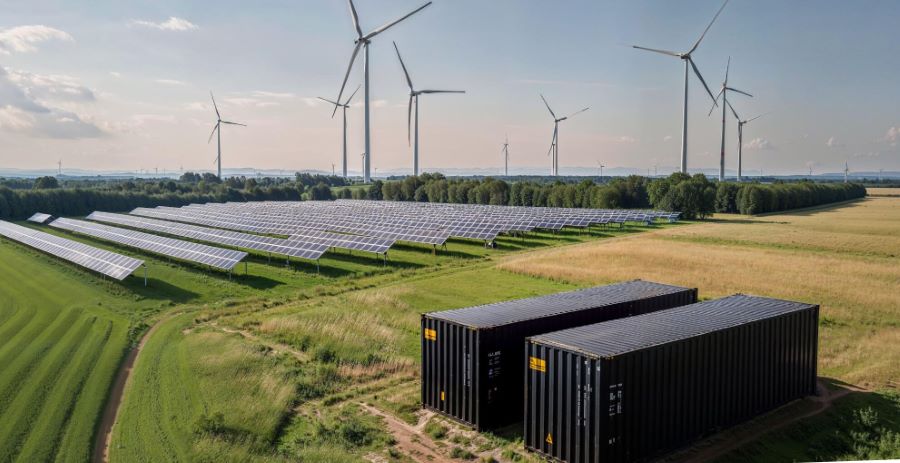
[caption id="attachment_24931" align="aligncenter" width="900"] Germany's Kraftblock develops storage systems to capture waste heat from heat-intensive processes including e-scrap recycling. | Courtesy of Kraftblock[/caption]
Despite its value in the sustainability sphere, recycling e-scrap is heat- and energy-intensive. Germany-headquartered Kraftblock says the electronics recycling industry needs physical solutions to decarbonize its heat and energy use.
While several methods of harvesting e-scrap exist, they all require extremely high heat. For example, the pyrometallurgy process maintains temperatures of around 750 to 1,500 degrees Fahrenheit, and lead smelting can be almost as hot, according to Kraftblock, a firm specializing in energy storage.
E-scrap is the fastest-growing type of discarded material globally, per the World Economic Forum, owing to rapidly changing technology and consumer preferences that make electronics seem disposable. The heat generated by recycling processes also typically emits large amounts of carbon dioxide and other greenhouse gases that can be avoided – including with power generated via captured heat.
Kraftblock's power-to-heat thermal storage system converts renewable electricity into heat with minimal disruption to existing infrastructure, CEO Martin Schichtel said in a recent interview with E-Scrap News. Kraftblock customizes its technology to provide large-scale, long-duration energy storage, supplying hot air, thermal oil, steam or water at temperatures of up to 2,400 degrees.
The following Q&A has been edited for clarity and brevity.
Germany's Kraftblock develops storage systems to capture waste heat from heat-intensive processes including e-scrap recycling. | Courtesy of Kraftblock[/caption]
Despite its value in the sustainability sphere, recycling e-scrap is heat- and energy-intensive. Germany-headquartered Kraftblock says the electronics recycling industry needs physical solutions to decarbonize its heat and energy use.
While several methods of harvesting e-scrap exist, they all require extremely high heat. For example, the pyrometallurgy process maintains temperatures of around 750 to 1,500 degrees Fahrenheit, and lead smelting can be almost as hot, according to Kraftblock, a firm specializing in energy storage.
E-scrap is the fastest-growing type of discarded material globally, per the World Economic Forum, owing to rapidly changing technology and consumer preferences that make electronics seem disposable. The heat generated by recycling processes also typically emits large amounts of carbon dioxide and other greenhouse gases that can be avoided – including with power generated via captured heat.
Kraftblock's power-to-heat thermal storage system converts renewable electricity into heat with minimal disruption to existing infrastructure, CEO Martin Schichtel said in a recent interview with E-Scrap News. Kraftblock customizes its technology to provide large-scale, long-duration energy storage, supplying hot air, thermal oil, steam or water at temperatures of up to 2,400 degrees.
The following Q&A has been edited for clarity and brevity.
Categories