 Updated tariff codes may help provide more specific detail of what e-scrap commodities are part of the export stream. | phil berry/Shutterstock[/caption]
A newly adopted schedule of tariff codes provides more detailed categories for e-scrap shipments moving over international borders. The changes could usher in a more detailed look at U.S. exports of key e-scrap commodities.
Starting this year, a series of updates went into effect for the Harmonized Tariff Schedule (HTS), which is made up of codes and notes that identify and describe different types of products. The HTS is used by U.S. companies that import and export goods.
The updates were approved by the World Customs Organization, an independent intergovernmental body that represents 184 customs administrations around the world. The U.S. adopted the changes via a proclamation from President Biden in late December.
"Electrical and electronic waste, commonly referred to as e-waste, is one example of a product class which presents significant policy concerns as well as a high value of trade, hence [harmonized system] 2022 includes specific provisions for its classification to assist countries in their work under the Basel Convention," according to the World Customs Organization.
The Basel Convention on the Control of Transboundary Movements of Hazardous Wastes and Their Disposal regulates the trade in electronic waste.
Updated tariff codes may help provide more specific detail of what e-scrap commodities are part of the export stream. | phil berry/Shutterstock[/caption]
A newly adopted schedule of tariff codes provides more detailed categories for e-scrap shipments moving over international borders. The changes could usher in a more detailed look at U.S. exports of key e-scrap commodities.
Starting this year, a series of updates went into effect for the Harmonized Tariff Schedule (HTS), which is made up of codes and notes that identify and describe different types of products. The HTS is used by U.S. companies that import and export goods.
The updates were approved by the World Customs Organization, an independent intergovernmental body that represents 184 customs administrations around the world. The U.S. adopted the changes via a proclamation from President Biden in late December.
"Electrical and electronic waste, commonly referred to as e-waste, is one example of a product class which presents significant policy concerns as well as a high value of trade, hence [harmonized system] 2022 includes specific provisions for its classification to assist countries in their work under the Basel Convention," according to the World Customs Organization.
The Basel Convention on the Control of Transboundary Movements of Hazardous Wastes and Their Disposal regulates the trade in electronic waste.
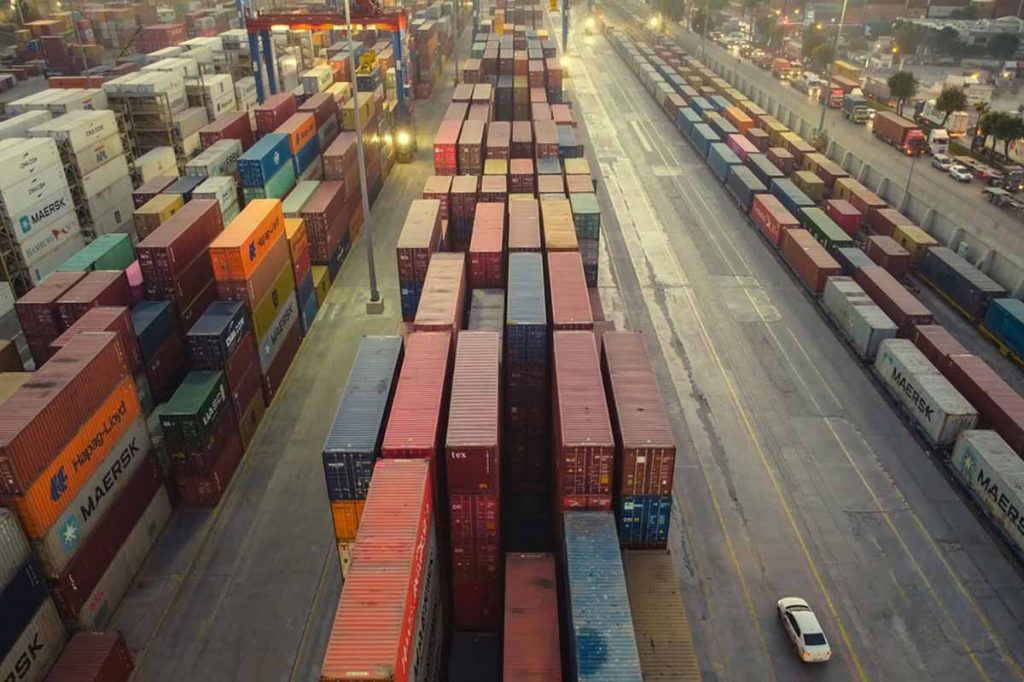
[caption id="attachment_15327" align="aligncenter" width="900"] Updated tariff codes may help provide more specific detail of what e-scrap commodities are part of the export stream. | phil berry/Shutterstock[/caption]
A newly adopted schedule of tariff codes provides more detailed categories for e-scrap shipments moving over international borders. The changes could usher in a more detailed look at U.S. exports of key e-scrap commodities.
Starting this year, a series of updates went into effect for the Harmonized Tariff Schedule (HTS), which is made up of codes and notes that identify and describe different types of products. The HTS is used by U.S. companies that import and export goods.
The updates were approved by the World Customs Organization, an independent intergovernmental body that represents 184 customs administrations around the world. The U.S. adopted the changes via a proclamation from President Biden in late December.
"Electrical and electronic waste, commonly referred to as e-waste, is one example of a product class which presents significant policy concerns as well as a high value of trade, hence [harmonized system] 2022 includes specific provisions for its classification to assist countries in their work under the Basel Convention," according to the World Customs Organization.
The Basel Convention on the Control of Transboundary Movements of Hazardous Wastes and Their Disposal regulates the trade in electronic waste.
Updated tariff codes may help provide more specific detail of what e-scrap commodities are part of the export stream. | phil berry/Shutterstock[/caption]
A newly adopted schedule of tariff codes provides more detailed categories for e-scrap shipments moving over international borders. The changes could usher in a more detailed look at U.S. exports of key e-scrap commodities.
Starting this year, a series of updates went into effect for the Harmonized Tariff Schedule (HTS), which is made up of codes and notes that identify and describe different types of products. The HTS is used by U.S. companies that import and export goods.
The updates were approved by the World Customs Organization, an independent intergovernmental body that represents 184 customs administrations around the world. The U.S. adopted the changes via a proclamation from President Biden in late December.
"Electrical and electronic waste, commonly referred to as e-waste, is one example of a product class which presents significant policy concerns as well as a high value of trade, hence [harmonized system] 2022 includes specific provisions for its classification to assist countries in their work under the Basel Convention," according to the World Customs Organization.
The Basel Convention on the Control of Transboundary Movements of Hazardous Wastes and Their Disposal regulates the trade in electronic waste.
Categories