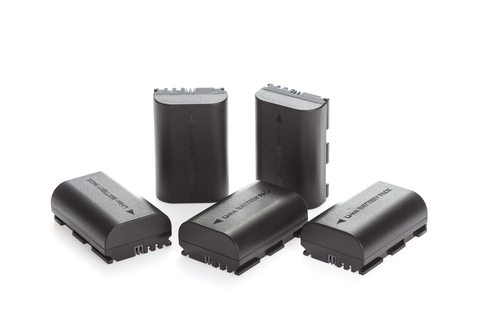
 Improperly disposed lithium-ion batteries can be a fire risk at e-scrap facilities. | anantachat/Shutterstock[/caption]
Legislation making lithium-ion battery producers responsible for collecting and recycling the products they sell is advancing in California.
Assembly Bill 1509 establishes an extended producer responsibility (EPR) program for lithium-ion batteries and sets recycling rate targets for retailers selling products that contain these batteries.
The legislation passed an Assembly floor vote in May and is currently under consideration in the state Senate.
Lithium-ion batteries have received greater attention in recent years for the dangers they pose in e-scrap processing plants, where they can potentially ignite during device disassembly. In an EPA presentation last year, processors shared tips on avoiding fires when handling devices containing the batteries. One processor described lithium-ion batteries as "one of the biggest challenges that we have."[/vc_column_text][/vc_column][/vc_row][vc_row content_placement="middle" css=".vc_custom_1564601766217{margin-top: 0px !important;margin-bottom: 0px !important;padding-top: 0px !important;padding-bottom: 0px !important;}"][vc_column width="1/2" css=".vc_custom_1564601307445{margin-top: 0px !important;margin-bottom: 0px !important;padding-top: 0px !important;padding-bottom: 0px !important;}"][vc_column_text css=".vc_custom_1564601399818{margin-top: 0px !important;margin-bottom: 0px !important;padding-top: 0px !important;padding-bottom: 0px !important;}"]Last year, an amendment to the International Fire Code proposed new requirements for recycling facilities that handle lithium-ion batteries, in acknowledgement of the flammability hazards. The proposal was ultimately voted down.
The issue has also been featured in mainstream media reporting.
Besides the e-scrap industry, lithium-ion batteries pose major challenges for residential recycling operators. The California bill received support from Rethink Waste, also known as the South Bay Waste Management Authority, a San Mateo County materials recovery facility (MRF) operator that suffered a massive fire in 2016. The fire was caused by a lithium-ion battery placed in a curbside cart and transported to the MRF, where it sparked a flame that led to $8.5 million in damage.[/vc_column_text][/vc_column][vc_column width="1/2" css=".vc_custom_1564602057147{margin-top: 0px !important;margin-bottom: 0px !important;border-top-width: 5px !important;border-bottom-width: 5px !important;padding-top: 5px !important;padding-bottom: 0px !important;border-top-color: #783214 !important;border-top-style: solid !important;border-bottom-color: #783214 !important;border-bottom-style: solid !important;border-radius: 10px !important;}"][vc_single_image image="11588" img_size="full" alignment="center" onclick="custom_link" link="http://www.e-scrapconference.com/" css=".vc_custom_1564601711115{margin-top: 0px !important;margin-bottom: 0px !important;padding-top: 0px !important;padding-bottom: 5px !important;}"][vc_column_text css=".vc_custom_1564602096697{margin-top: 0px !important;margin-bottom: 0px !important;padding-top: 0px !important;padding-bottom: 5px !important;}"]
Improperly disposed lithium-ion batteries can be a fire risk at e-scrap facilities. | anantachat/Shutterstock[/caption]
Legislation making lithium-ion battery producers responsible for collecting and recycling the products they sell is advancing in California.
Assembly Bill 1509 establishes an extended producer responsibility (EPR) program for lithium-ion batteries and sets recycling rate targets for retailers selling products that contain these batteries.
The legislation passed an Assembly floor vote in May and is currently under consideration in the state Senate.
Lithium-ion batteries have received greater attention in recent years for the dangers they pose in e-scrap processing plants, where they can potentially ignite during device disassembly. In an EPA presentation last year, processors shared tips on avoiding fires when handling devices containing the batteries. One processor described lithium-ion batteries as "one of the biggest challenges that we have."[/vc_column_text][/vc_column][/vc_row][vc_row content_placement="middle" css=".vc_custom_1564601766217{margin-top: 0px !important;margin-bottom: 0px !important;padding-top: 0px !important;padding-bottom: 0px !important;}"][vc_column width="1/2" css=".vc_custom_1564601307445{margin-top: 0px !important;margin-bottom: 0px !important;padding-top: 0px !important;padding-bottom: 0px !important;}"][vc_column_text css=".vc_custom_1564601399818{margin-top: 0px !important;margin-bottom: 0px !important;padding-top: 0px !important;padding-bottom: 0px !important;}"]Last year, an amendment to the International Fire Code proposed new requirements for recycling facilities that handle lithium-ion batteries, in acknowledgement of the flammability hazards. The proposal was ultimately voted down.
The issue has also been featured in mainstream media reporting.
Besides the e-scrap industry, lithium-ion batteries pose major challenges for residential recycling operators. The California bill received support from Rethink Waste, also known as the South Bay Waste Management Authority, a San Mateo County materials recovery facility (MRF) operator that suffered a massive fire in 2016. The fire was caused by a lithium-ion battery placed in a curbside cart and transported to the MRF, where it sparked a flame that led to $8.5 million in damage.[/vc_column_text][/vc_column][vc_column width="1/2" css=".vc_custom_1564602057147{margin-top: 0px !important;margin-bottom: 0px !important;border-top-width: 5px !important;border-bottom-width: 5px !important;padding-top: 5px !important;padding-bottom: 0px !important;border-top-color: #783214 !important;border-top-style: solid !important;border-bottom-color: #783214 !important;border-bottom-style: solid !important;border-radius: 10px !important;}"][vc_single_image image="11588" img_size="full" alignment="center" onclick="custom_link" link="http://www.e-scrapconference.com/" css=".vc_custom_1564601711115{margin-top: 0px !important;margin-bottom: 0px !important;padding-top: 0px !important;padding-bottom: 5px !important;}"][vc_column_text css=".vc_custom_1564602096697{margin-top: 0px !important;margin-bottom: 0px !important;padding-top: 0px !important;padding-bottom: 5px !important;}"]
[vc_row css=".vc_custom_1564601317459{margin-top: 0px !important;margin-bottom: 0px !important;padding-top: 0px !important;padding-bottom: 0px !important;}"][vc_column css=".vc_custom_1564601307445{margin-top: 0px !important;margin-bottom: 0px !important;padding-top: 0px !important;padding-bottom: 0px !important;}"][vc_column_text css=".vc_custom_1565029362273{margin-top: 0px !important;margin-bottom: 0px !important;padding-top: 0px !important;padding-bottom: 0px !important;}"]
[caption id="attachment_6045" align="aligncenter" width="500"] Improperly disposed lithium-ion batteries can be a fire risk at e-scrap facilities. | anantachat/Shutterstock[/caption]
Legislation making lithium-ion battery producers responsible for collecting and recycling the products they sell is advancing in California.
Assembly Bill 1509 establishes an extended producer responsibility (EPR) program for lithium-ion batteries and sets recycling rate targets for retailers selling products that contain these batteries.
The legislation passed an Assembly floor vote in May and is currently under consideration in the state Senate.
Lithium-ion batteries have received greater attention in recent years for the dangers they pose in e-scrap processing plants, where they can potentially ignite during device disassembly. In an EPA presentation last year, processors shared tips on avoiding fires when handling devices containing the batteries. One processor described lithium-ion batteries as "one of the biggest challenges that we have."[/vc_column_text][/vc_column][/vc_row][vc_row content_placement="middle" css=".vc_custom_1564601766217{margin-top: 0px !important;margin-bottom: 0px !important;padding-top: 0px !important;padding-bottom: 0px !important;}"][vc_column width="1/2" css=".vc_custom_1564601307445{margin-top: 0px !important;margin-bottom: 0px !important;padding-top: 0px !important;padding-bottom: 0px !important;}"][vc_column_text css=".vc_custom_1564601399818{margin-top: 0px !important;margin-bottom: 0px !important;padding-top: 0px !important;padding-bottom: 0px !important;}"]Last year, an amendment to the International Fire Code proposed new requirements for recycling facilities that handle lithium-ion batteries, in acknowledgement of the flammability hazards. The proposal was ultimately voted down.
The issue has also been featured in mainstream media reporting.
Besides the e-scrap industry, lithium-ion batteries pose major challenges for residential recycling operators. The California bill received support from Rethink Waste, also known as the South Bay Waste Management Authority, a San Mateo County materials recovery facility (MRF) operator that suffered a massive fire in 2016. The fire was caused by a lithium-ion battery placed in a curbside cart and transported to the MRF, where it sparked a flame that led to $8.5 million in damage.[/vc_column_text][/vc_column][vc_column width="1/2" css=".vc_custom_1564602057147{margin-top: 0px !important;margin-bottom: 0px !important;border-top-width: 5px !important;border-bottom-width: 5px !important;padding-top: 5px !important;padding-bottom: 0px !important;border-top-color: #783214 !important;border-top-style: solid !important;border-bottom-color: #783214 !important;border-bottom-style: solid !important;border-radius: 10px !important;}"][vc_single_image image="11588" img_size="full" alignment="center" onclick="custom_link" link="http://www.e-scrapconference.com/" css=".vc_custom_1564601711115{margin-top: 0px !important;margin-bottom: 0px !important;padding-top: 0px !important;padding-bottom: 5px !important;}"][vc_column_text css=".vc_custom_1564602096697{margin-top: 0px !important;margin-bottom: 0px !important;padding-top: 0px !important;padding-bottom: 5px !important;}"]
Improperly disposed lithium-ion batteries can be a fire risk at e-scrap facilities. | anantachat/Shutterstock[/caption]
Legislation making lithium-ion battery producers responsible for collecting and recycling the products they sell is advancing in California.
Assembly Bill 1509 establishes an extended producer responsibility (EPR) program for lithium-ion batteries and sets recycling rate targets for retailers selling products that contain these batteries.
The legislation passed an Assembly floor vote in May and is currently under consideration in the state Senate.
Lithium-ion batteries have received greater attention in recent years for the dangers they pose in e-scrap processing plants, where they can potentially ignite during device disassembly. In an EPA presentation last year, processors shared tips on avoiding fires when handling devices containing the batteries. One processor described lithium-ion batteries as "one of the biggest challenges that we have."[/vc_column_text][/vc_column][/vc_row][vc_row content_placement="middle" css=".vc_custom_1564601766217{margin-top: 0px !important;margin-bottom: 0px !important;padding-top: 0px !important;padding-bottom: 0px !important;}"][vc_column width="1/2" css=".vc_custom_1564601307445{margin-top: 0px !important;margin-bottom: 0px !important;padding-top: 0px !important;padding-bottom: 0px !important;}"][vc_column_text css=".vc_custom_1564601399818{margin-top: 0px !important;margin-bottom: 0px !important;padding-top: 0px !important;padding-bottom: 0px !important;}"]Last year, an amendment to the International Fire Code proposed new requirements for recycling facilities that handle lithium-ion batteries, in acknowledgement of the flammability hazards. The proposal was ultimately voted down.
The issue has also been featured in mainstream media reporting.
Besides the e-scrap industry, lithium-ion batteries pose major challenges for residential recycling operators. The California bill received support from Rethink Waste, also known as the South Bay Waste Management Authority, a San Mateo County materials recovery facility (MRF) operator that suffered a massive fire in 2016. The fire was caused by a lithium-ion battery placed in a curbside cart and transported to the MRF, where it sparked a flame that led to $8.5 million in damage.[/vc_column_text][/vc_column][vc_column width="1/2" css=".vc_custom_1564602057147{margin-top: 0px !important;margin-bottom: 0px !important;border-top-width: 5px !important;border-bottom-width: 5px !important;padding-top: 5px !important;padding-bottom: 0px !important;border-top-color: #783214 !important;border-top-style: solid !important;border-bottom-color: #783214 !important;border-bottom-style: solid !important;border-radius: 10px !important;}"][vc_single_image image="11588" img_size="full" alignment="center" onclick="custom_link" link="http://www.e-scrapconference.com/" css=".vc_custom_1564601711115{margin-top: 0px !important;margin-bottom: 0px !important;padding-top: 0px !important;padding-bottom: 5px !important;}"][vc_column_text css=".vc_custom_1564602096697{margin-top: 0px !important;margin-bottom: 0px !important;padding-top: 0px !important;padding-bottom: 5px !important;}"]
Categories