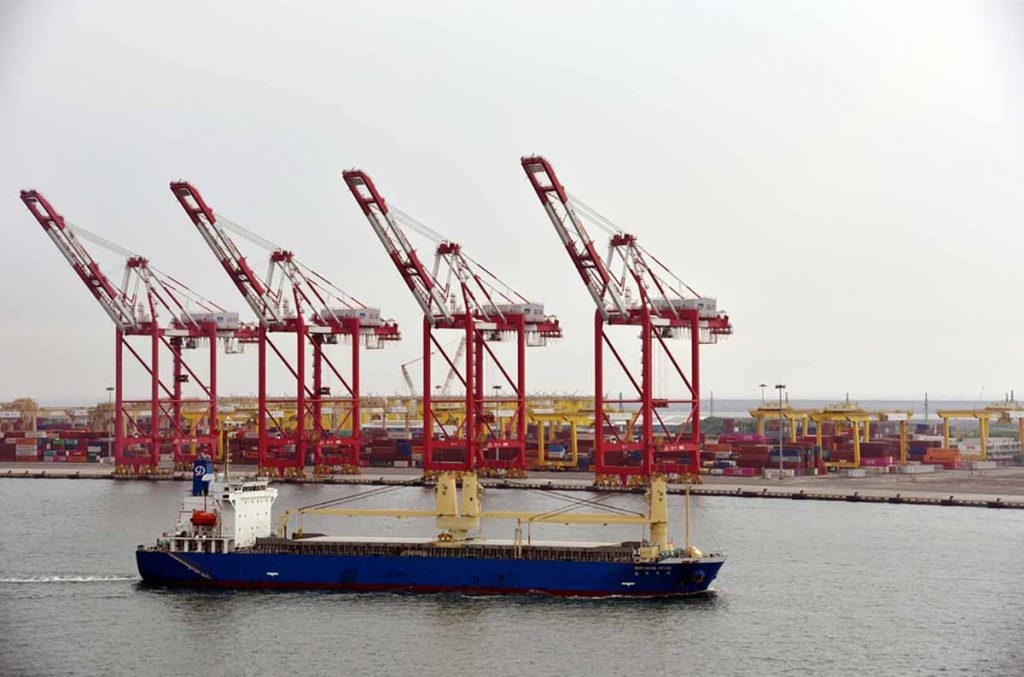
 Scrap plastic traders are facing challenges from increased freight rates and cancellations of bookings by shipping lines as Basel regulations are implemented. | Mariusz Bugno/Shutterstock[/caption]
Recent changes to global regulations on scrap plastic shipments have shaken up the export market for plastics recovered from electronics.
The Basel Convention this month began regulating the global trade of a handful of types of scrap plastic, including a great deal of e-plastics. During a Jan. 12 event hosted by the Basel Action Network (BAN), experts described market chaos as governments around the world implement the new Basel regulations into their national laws.
"It's fair to say, 12 days in there's a lot of confusion in the market," said Craig Thompson of FPD Recycling, which supplies technology for processing e-scrap. Thompson has set up collection networks for electronics in the U.K. and has consulted with e-scrap firms on downstream processing of their e-plastics.
Formally titled the Basel Convention on the Control of Transboundary Movements of Hazardous Wastes and Their Disposal, the global pact governs how shipments of certain types of hazardous waste are regulated between nations. It was amended in 2019 to include a variety of plastics under its purview. Its potential implications for the U.S. are particularly notable, because the U.S. is a major exporter of scrap plastic but has not ratified the Basel Convention.
The new restrictions officially took effect on Jan. 1, although some Basel-party countries began implementing them before that date and some are still finalizing their domestic lawmaking.
Scrap plastic traders are facing challenges from increased freight rates and cancellations of bookings by shipping lines as Basel regulations are implemented. | Mariusz Bugno/Shutterstock[/caption]
Recent changes to global regulations on scrap plastic shipments have shaken up the export market for plastics recovered from electronics.
The Basel Convention this month began regulating the global trade of a handful of types of scrap plastic, including a great deal of e-plastics. During a Jan. 12 event hosted by the Basel Action Network (BAN), experts described market chaos as governments around the world implement the new Basel regulations into their national laws.
"It's fair to say, 12 days in there's a lot of confusion in the market," said Craig Thompson of FPD Recycling, which supplies technology for processing e-scrap. Thompson has set up collection networks for electronics in the U.K. and has consulted with e-scrap firms on downstream processing of their e-plastics.
Formally titled the Basel Convention on the Control of Transboundary Movements of Hazardous Wastes and Their Disposal, the global pact governs how shipments of certain types of hazardous waste are regulated between nations. It was amended in 2019 to include a variety of plastics under its purview. Its potential implications for the U.S. are particularly notable, because the U.S. is a major exporter of scrap plastic but has not ratified the Basel Convention.
The new restrictions officially took effect on Jan. 1, although some Basel-party countries began implementing them before that date and some are still finalizing their domestic lawmaking.
[caption id="attachment_14677" align="aligncenter" width="900"] Scrap plastic traders are facing challenges from increased freight rates and cancellations of bookings by shipping lines as Basel regulations are implemented. | Mariusz Bugno/Shutterstock[/caption]
Recent changes to global regulations on scrap plastic shipments have shaken up the export market for plastics recovered from electronics.
The Basel Convention this month began regulating the global trade of a handful of types of scrap plastic, including a great deal of e-plastics. During a Jan. 12 event hosted by the Basel Action Network (BAN), experts described market chaos as governments around the world implement the new Basel regulations into their national laws.
"It's fair to say, 12 days in there's a lot of confusion in the market," said Craig Thompson of FPD Recycling, which supplies technology for processing e-scrap. Thompson has set up collection networks for electronics in the U.K. and has consulted with e-scrap firms on downstream processing of their e-plastics.
Formally titled the Basel Convention on the Control of Transboundary Movements of Hazardous Wastes and Their Disposal, the global pact governs how shipments of certain types of hazardous waste are regulated between nations. It was amended in 2019 to include a variety of plastics under its purview. Its potential implications for the U.S. are particularly notable, because the U.S. is a major exporter of scrap plastic but has not ratified the Basel Convention.
The new restrictions officially took effect on Jan. 1, although some Basel-party countries began implementing them before that date and some are still finalizing their domestic lawmaking.
Scrap plastic traders are facing challenges from increased freight rates and cancellations of bookings by shipping lines as Basel regulations are implemented. | Mariusz Bugno/Shutterstock[/caption]
Recent changes to global regulations on scrap plastic shipments have shaken up the export market for plastics recovered from electronics.
The Basel Convention this month began regulating the global trade of a handful of types of scrap plastic, including a great deal of e-plastics. During a Jan. 12 event hosted by the Basel Action Network (BAN), experts described market chaos as governments around the world implement the new Basel regulations into their national laws.
"It's fair to say, 12 days in there's a lot of confusion in the market," said Craig Thompson of FPD Recycling, which supplies technology for processing e-scrap. Thompson has set up collection networks for electronics in the U.K. and has consulted with e-scrap firms on downstream processing of their e-plastics.
Formally titled the Basel Convention on the Control of Transboundary Movements of Hazardous Wastes and Their Disposal, the global pact governs how shipments of certain types of hazardous waste are regulated between nations. It was amended in 2019 to include a variety of plastics under its purview. Its potential implications for the U.S. are particularly notable, because the U.S. is a major exporter of scrap plastic but has not ratified the Basel Convention.
The new restrictions officially took effect on Jan. 1, although some Basel-party countries began implementing them before that date and some are still finalizing their domestic lawmaking.
Categories