 The Basel Action Network (BAN) provides a guide to help e-scrap processors stay in compliance with export law. | Basel Action Network (BAN)[/caption]
Exports watchdog Basel Action Network is barking. The group says U.S. e-scrap companies are illegally exporting e-plastics to Malaysia, and it has issued a warning.
The e-Stewards certification program has published a guide to plastics exports after the discovery by the Basel Action Network (BAN), which administers the e-Stewards program, that "far too much mixed U.S. e-waste plastics are currently being exported to Malaysia, which cannot legally accept such plastic wastes."
Exports of mixed e-plastics could threaten their certifications and place trading partners at risk of prosecution, said Jim Puckett, executive director of BAN.
"The current spate of illegal exports of plastic wastes puts many recyclers and their trading partners in legal jeopardy, and violates the certifications they may hold," Puckett stated in a press release. "Such exports also jeopardize the state legislated producer responsibility programs operating in 23 states by electronics manufacturers.
"Non-compliance is not an option for anyone," Puckett's statement continued, "so it is imperative that the matter be addressed together by all industry stakeholders including manufacturers, recyclers, certification and state programs."
Plastics from shredded electronics generally consist of a mix of different polymers and materials, and the U.S. e-scrap industry has long relied on exports, particularly to buyers in Asia, as a downstream option.
A number of domestic companies have recently invested in systems to sort and clean up e-plastics fractions, but it's generally understood there isn't enough capacity to handle all of the plastics generated in the U.S.
Meanwhile, the Basel Convention, a global treaty that governs the international trade in hazardous wastes, has been updated in recent years to place restrictions on the trade of lower-grade plastics, including those from electronics. In 2019, parties to the convention voted to place requirements on the trade starting Jan. 1, 2021.
The Basel Action Network (BAN) provides a guide to help e-scrap processors stay in compliance with export law. | Basel Action Network (BAN)[/caption]
Exports watchdog Basel Action Network is barking. The group says U.S. e-scrap companies are illegally exporting e-plastics to Malaysia, and it has issued a warning.
The e-Stewards certification program has published a guide to plastics exports after the discovery by the Basel Action Network (BAN), which administers the e-Stewards program, that "far too much mixed U.S. e-waste plastics are currently being exported to Malaysia, which cannot legally accept such plastic wastes."
Exports of mixed e-plastics could threaten their certifications and place trading partners at risk of prosecution, said Jim Puckett, executive director of BAN.
"The current spate of illegal exports of plastic wastes puts many recyclers and their trading partners in legal jeopardy, and violates the certifications they may hold," Puckett stated in a press release. "Such exports also jeopardize the state legislated producer responsibility programs operating in 23 states by electronics manufacturers.
"Non-compliance is not an option for anyone," Puckett's statement continued, "so it is imperative that the matter be addressed together by all industry stakeholders including manufacturers, recyclers, certification and state programs."
Plastics from shredded electronics generally consist of a mix of different polymers and materials, and the U.S. e-scrap industry has long relied on exports, particularly to buyers in Asia, as a downstream option.
A number of domestic companies have recently invested in systems to sort and clean up e-plastics fractions, but it's generally understood there isn't enough capacity to handle all of the plastics generated in the U.S.
Meanwhile, the Basel Convention, a global treaty that governs the international trade in hazardous wastes, has been updated in recent years to place restrictions on the trade of lower-grade plastics, including those from electronics. In 2019, parties to the convention voted to place requirements on the trade starting Jan. 1, 2021.
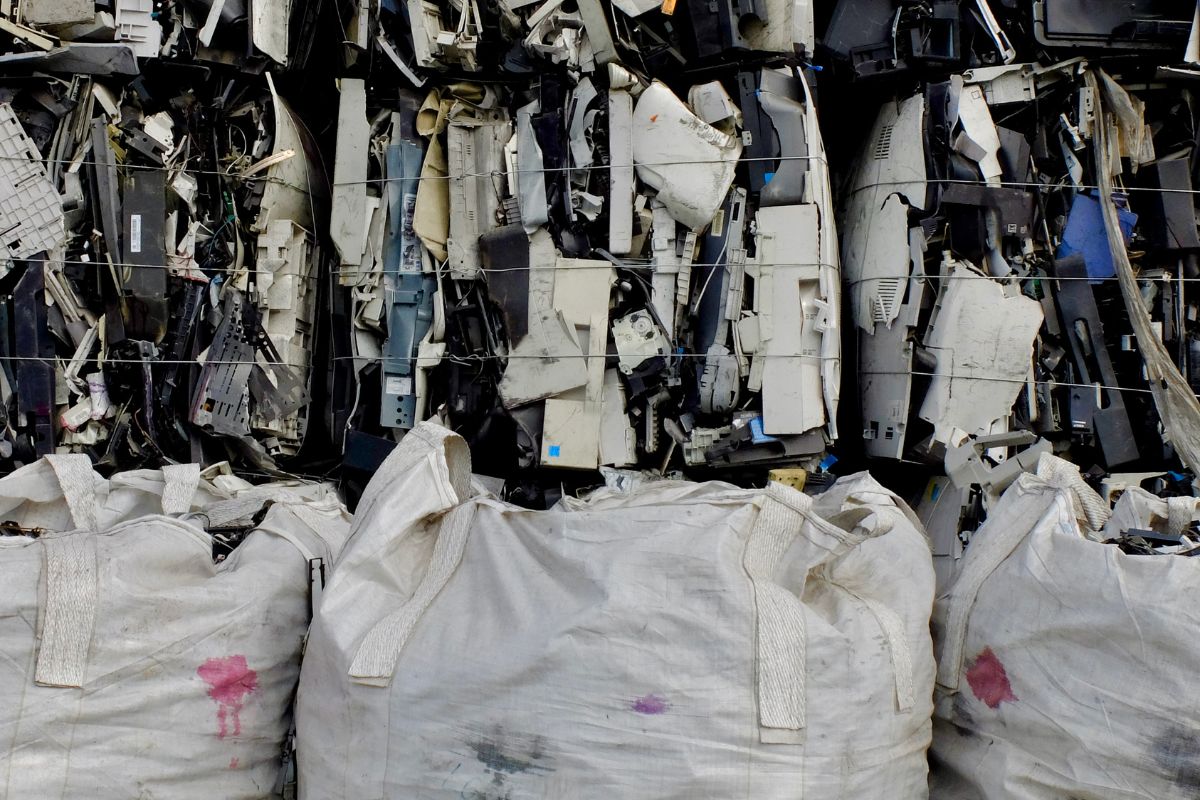
[caption id="attachment_23569" align="aligncenter" width="1200"] The Basel Action Network (BAN) provides a guide to help e-scrap processors stay in compliance with export law. | Basel Action Network (BAN)[/caption]
Exports watchdog Basel Action Network is barking. The group says U.S. e-scrap companies are illegally exporting e-plastics to Malaysia, and it has issued a warning.
The e-Stewards certification program has published a guide to plastics exports after the discovery by the Basel Action Network (BAN), which administers the e-Stewards program, that "far too much mixed U.S. e-waste plastics are currently being exported to Malaysia, which cannot legally accept such plastic wastes."
Exports of mixed e-plastics could threaten their certifications and place trading partners at risk of prosecution, said Jim Puckett, executive director of BAN.
"The current spate of illegal exports of plastic wastes puts many recyclers and their trading partners in legal jeopardy, and violates the certifications they may hold," Puckett stated in a press release. "Such exports also jeopardize the state legislated producer responsibility programs operating in 23 states by electronics manufacturers.
"Non-compliance is not an option for anyone," Puckett's statement continued, "so it is imperative that the matter be addressed together by all industry stakeholders including manufacturers, recyclers, certification and state programs."
Plastics from shredded electronics generally consist of a mix of different polymers and materials, and the U.S. e-scrap industry has long relied on exports, particularly to buyers in Asia, as a downstream option.
A number of domestic companies have recently invested in systems to sort and clean up e-plastics fractions, but it's generally understood there isn't enough capacity to handle all of the plastics generated in the U.S.
Meanwhile, the Basel Convention, a global treaty that governs the international trade in hazardous wastes, has been updated in recent years to place restrictions on the trade of lower-grade plastics, including those from electronics. In 2019, parties to the convention voted to place requirements on the trade starting Jan. 1, 2021.
The Basel Action Network (BAN) provides a guide to help e-scrap processors stay in compliance with export law. | Basel Action Network (BAN)[/caption]
Exports watchdog Basel Action Network is barking. The group says U.S. e-scrap companies are illegally exporting e-plastics to Malaysia, and it has issued a warning.
The e-Stewards certification program has published a guide to plastics exports after the discovery by the Basel Action Network (BAN), which administers the e-Stewards program, that "far too much mixed U.S. e-waste plastics are currently being exported to Malaysia, which cannot legally accept such plastic wastes."
Exports of mixed e-plastics could threaten their certifications and place trading partners at risk of prosecution, said Jim Puckett, executive director of BAN.
"The current spate of illegal exports of plastic wastes puts many recyclers and their trading partners in legal jeopardy, and violates the certifications they may hold," Puckett stated in a press release. "Such exports also jeopardize the state legislated producer responsibility programs operating in 23 states by electronics manufacturers.
"Non-compliance is not an option for anyone," Puckett's statement continued, "so it is imperative that the matter be addressed together by all industry stakeholders including manufacturers, recyclers, certification and state programs."
Plastics from shredded electronics generally consist of a mix of different polymers and materials, and the U.S. e-scrap industry has long relied on exports, particularly to buyers in Asia, as a downstream option.
A number of domestic companies have recently invested in systems to sort and clean up e-plastics fractions, but it's generally understood there isn't enough capacity to handle all of the plastics generated in the U.S.
Meanwhile, the Basel Convention, a global treaty that governs the international trade in hazardous wastes, has been updated in recent years to place restrictions on the trade of lower-grade plastics, including those from electronics. In 2019, parties to the convention voted to place requirements on the trade starting Jan. 1, 2021.
Categories