[caption id="" align="alignright" width="200"] Robin Wiener[/caption]
Even after being in the scrap recycling industry for over 25 years, I am still amazed at how often we have to reeducate policymakers about the business.
Everything in our industry seems to be heading downward – declining commodities values, shrinking device weights and less gold in each piece of equipment. But reuse and refurbishment helps firms buck that trend.
Much of the dialogue around e-scrap exports is based on emotionally charged imagery. But by actually looking at statistics showing adoption of electronics in Asia, Africa and elsewhere, it becomes clear the notion of U.S. "dumping" is overblown.
Legislation introduced in Pennsylvania increases the amount of e-scrap that manufacturers would be on the hook for recycling each year.
State Democratic Rep. Marty Flynn introduced a bill aiming to fix problems with the state's current extended producer responsibility law for electronics.
The Basel Action Network has released a follow-up report to its e-scrap tracking study, detailing which firms handled material that was ultimately exported.
The Basel Action Network (BAN), founder of the e-Stewards certification, this year has released findings of its tracking project, which was conducted during 2014 and 2015.
Researchers at the University of Edinburgh in Scotland have developed a process for recovering gold from e-scrap that could cut down usage of toxic chemicals.
The technique, outlined in an article on
The state of New Jersey is working to reform its e-scrap law, and lawmakers plan to have a bill to send to the governor by next month.
The current law requires manufacturers to provide "free and convenient" recycling of their products.
The biggest wireless carriers are marketing very attractive trade-in offers to get iPhone users to swap their old units for the new iPhone 7.
AT&T, Sprint, T-Mobile and Verizon have all announced they are moving away from the current practice of charging customers the full value of a handset.
The Fraunhofer Institute in Germany has received $1.5 million to recover more materials from used lithium ion batteries.
The goal of the project, called
 Robin Wiener[/caption]
Even after being in the scrap recycling industry for over 25 years, I am still amazed at how often we have to reeducate policymakers about the business.
Robin Wiener[/caption]
Even after being in the scrap recycling industry for over 25 years, I am still amazed at how often we have to reeducate policymakers about the business. E-scrap processing company Regency Technologies has closed its CRT dismantling operation.
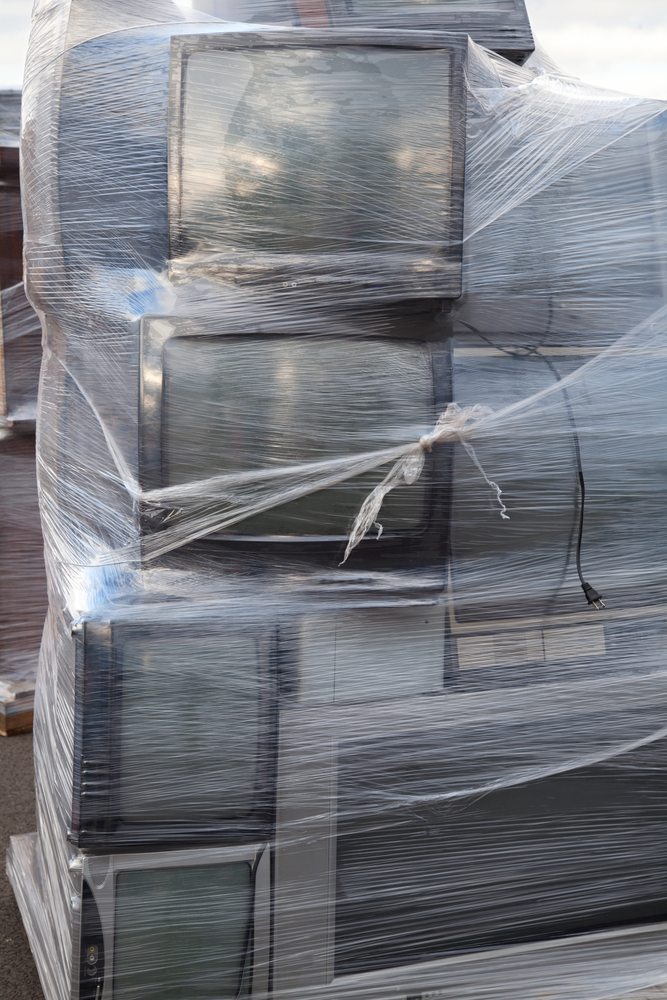 Legislation introduced in Pennsylvania increases the amount of e-scrap that manufacturers would be on the hook for recycling each year.
State Democratic Rep. Marty Flynn introduced a bill aiming to fix problems with the state's current extended producer responsibility law for electronics.
Legislation introduced in Pennsylvania increases the amount of e-scrap that manufacturers would be on the hook for recycling each year.
State Democratic Rep. Marty Flynn introduced a bill aiming to fix problems with the state's current extended producer responsibility law for electronics.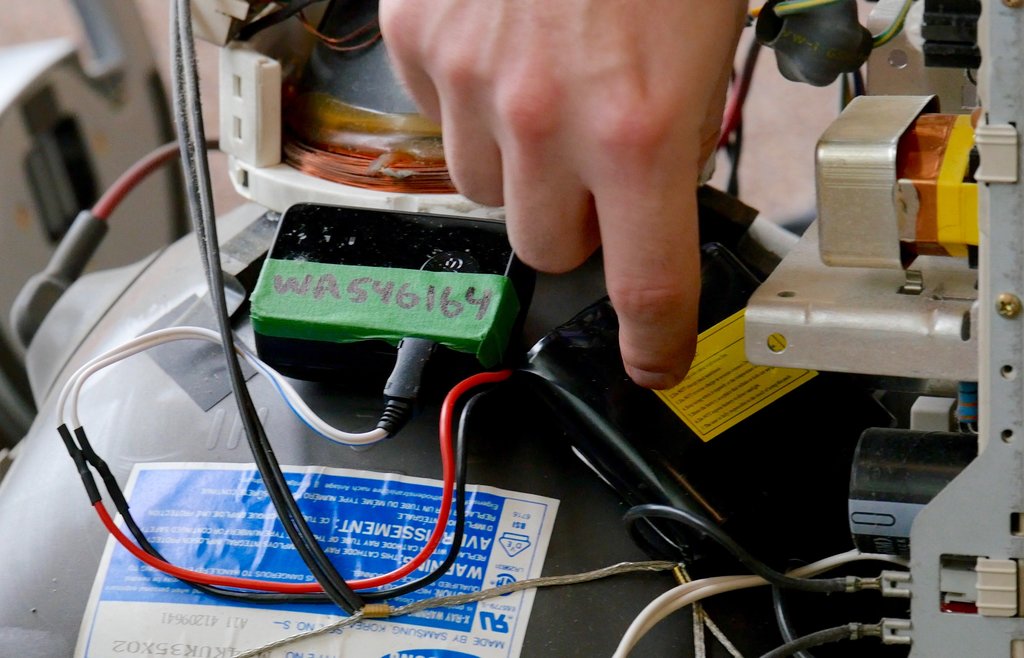 The Basel Action Network has released a follow-up report to its e-scrap tracking study, detailing which firms handled material that was ultimately exported.
The Basel Action Network (BAN), founder of the e-Stewards certification, this year has released findings of its tracking project, which was conducted during 2014 and 2015.
The Basel Action Network has released a follow-up report to its e-scrap tracking study, detailing which firms handled material that was ultimately exported.
The Basel Action Network (BAN), founder of the e-Stewards certification, this year has released findings of its tracking project, which was conducted during 2014 and 2015.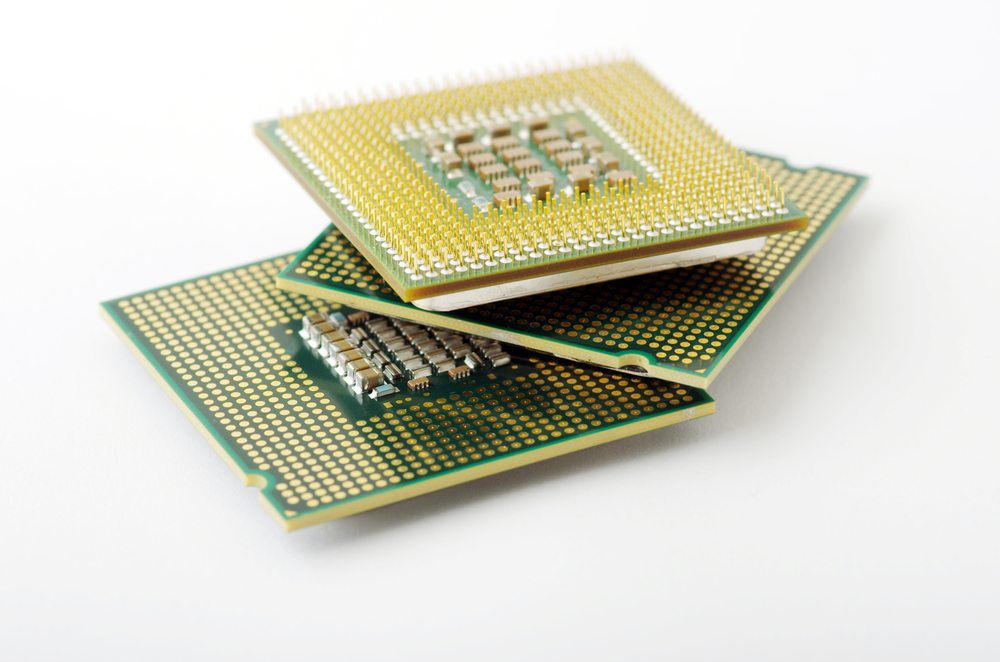 Researchers at the University of Edinburgh in Scotland have developed a process for recovering gold from e-scrap that could cut down usage of toxic chemicals.
The technique,
Researchers at the University of Edinburgh in Scotland have developed a process for recovering gold from e-scrap that could cut down usage of toxic chemicals.
The technique,  The state of New Jersey is working to reform its e-scrap law, and lawmakers plan to have a bill to send to the governor by next month.
The current law requires manufacturers to provide "free and convenient" recycling of their products.
The state of New Jersey is working to reform its e-scrap law, and lawmakers plan to have a bill to send to the governor by next month.
The current law requires manufacturers to provide "free and convenient" recycling of their products. The biggest wireless carriers are marketing very attractive trade-in offers to get iPhone users to swap their old units for the new iPhone 7.
AT&T, Sprint, T-Mobile and Verizon have all announced they are moving away from the current practice of charging customers the full value of a handset.
The biggest wireless carriers are marketing very attractive trade-in offers to get iPhone users to swap their old units for the new iPhone 7.
AT&T, Sprint, T-Mobile and Verizon have all announced they are moving away from the current practice of charging customers the full value of a handset.
 The Fraunhofer Institute in Germany has received $1.5 million to recover more materials from used lithium ion batteries.
The goal of the project, called
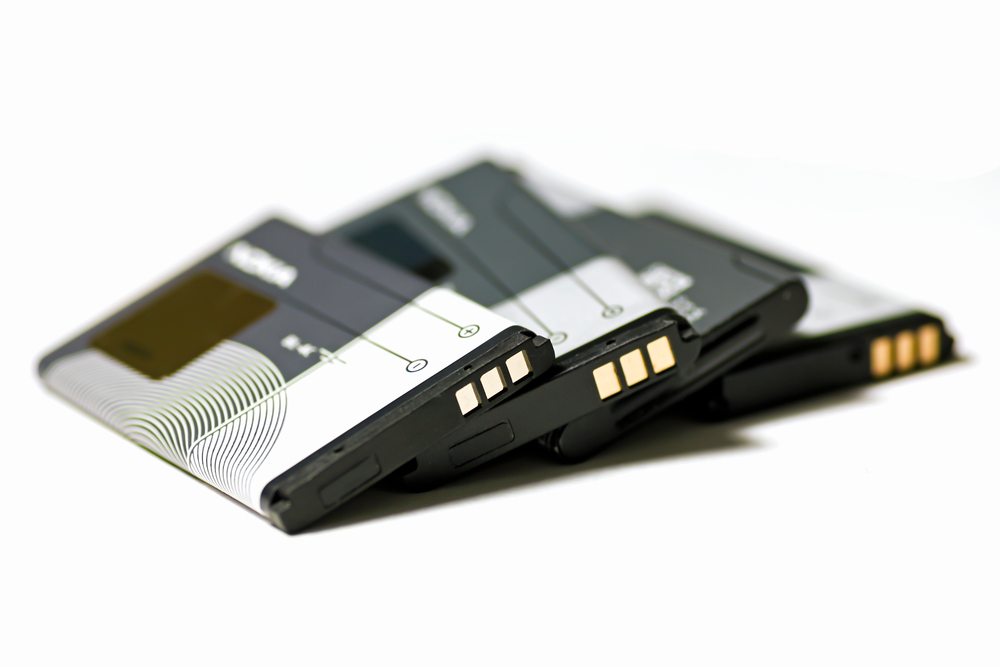
The Fraunhofer Institute in Germany has received $1.5 million to recover more materials from used lithium ion batteries.
The goal of the project, called