The U.S. recycling industry, including the e-scrap recycling sector, is expected to feel the economic repercussions of the escalating U.S.-China trade war.
The recent tariff moves by both countries won’t take effect until the start of June.
[caption id="attachment_10810" align="alignright" width="300"] Photo shows the tracking device on a laptop displaying the tracking software interface.[/caption]
Of 170 trackers placed in e-scrap devices over the past two years, the vast majority remained in the U.S.
[caption id="attachment_10326" align="alignright" width="300"] Hai Phong, Vietnam[/caption]
Reverse supply chain management company Re-Teck has launched a new facility in northern Vietnam's largest port city.
Re-Teck opened a 37,000-square-foot location in Hai Phong City's Trang Due Industrial Park
E-scrap exports to Hong Kong will require more due diligence beginning in January, when the semi-autonomous region implements new import and recycling permit requirements.
This analysis is based on official announcements and press releases from the the Hong Kon
Import policies in China and Southeast Asia continue to tighten, making it more difficult to move certain e-scrap materials to international markets.
Although the policy changes have dealt a heavy blow to curbside recycling programs across the U.S., the electronics recycling sector has been hit hard on certain commodi
[caption id="attachment_9759" align="alignright" width="300"] Aubrey Arain attaches an air sampling pump to an e-scrap worker to measure contaminants in the air he breathes.[/caption]
Researchers from the University of Michigan are studying and finding ways to mitigate health risks from informal electronics recycling practices in Chi
Metech International will jettison its e-scrap recycling business, citing financial losses caused by hazardous waste compliance issues and other challenges.
The Singapore-headquartered company announced it signed
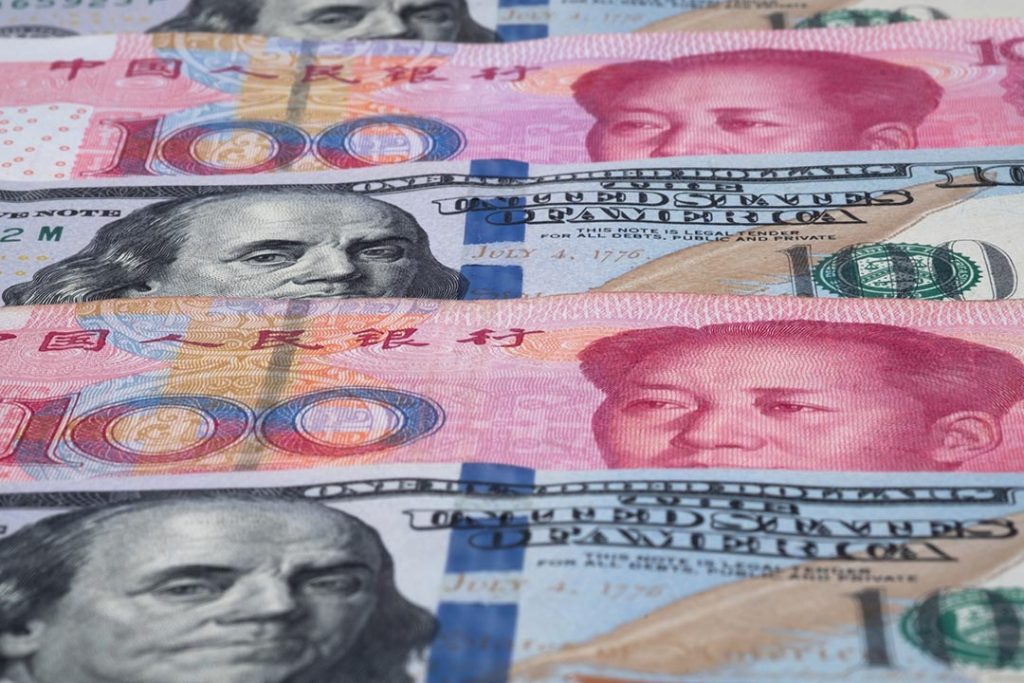 The U.S. recycling industry, including the e-scrap recycling sector, is expected to feel the economic repercussions of the escalating U.S.-China trade war.
The recent tariff moves by both countries won’t take effect until the start of June.
The U.S. recycling industry, including the e-scrap recycling sector, is expected to feel the economic repercussions of the escalating U.S.-China trade war.
The recent tariff moves by both countries won’t take effect until the start of June. Chinese officials doubled down on plans to ban virtually all recovered material imports by the end of the year, despite opposition from U.S.
 Photo shows the tracking device on a laptop displaying the tracking software interface.[/caption]
Of 170 trackers placed in e-scrap devices over the past two years, the vast majority remained in the U.S.
Photo shows the tracking device on a laptop displaying the tracking software interface.[/caption]
Of 170 trackers placed in e-scrap devices over the past two years, the vast majority remained in the U.S. Hai Phong, Vietnam[/caption]
Reverse supply chain management company Re-Teck has launched a new facility in northern Vietnam's largest port city.
Re-Teck opened a 37,000-square-foot location in Hai Phong City's Trang Due Industrial Park
Hai Phong, Vietnam[/caption]
Reverse supply chain management company Re-Teck has launched a new facility in northern Vietnam's largest port city.
Re-Teck opened a 37,000-square-foot location in Hai Phong City's Trang Due Industrial Park  E-scrap exports to Hong Kong will require more due diligence beginning in January, when the semi-autonomous region implements new import and recycling permit requirements.
This analysis is based on official announcements and press releases from the the Hong Kon
E-scrap exports to Hong Kong will require more due diligence beginning in January, when the semi-autonomous region implements new import and recycling permit requirements.
This analysis is based on official announcements and press releases from the the Hong Kon Import policies in China and Southeast Asia continue to tighten, making it more difficult to move certain e-scrap materials to international markets.
Although the policy changes have dealt a heavy blow to curbside recycling programs across the U.S., the electronics recycling sector has been hit hard on certain commodi
Import policies in China and Southeast Asia continue to tighten, making it more difficult to move certain e-scrap materials to international markets.
Although the policy changes have dealt a heavy blow to curbside recycling programs across the U.S., the electronics recycling sector has been hit hard on certain commodi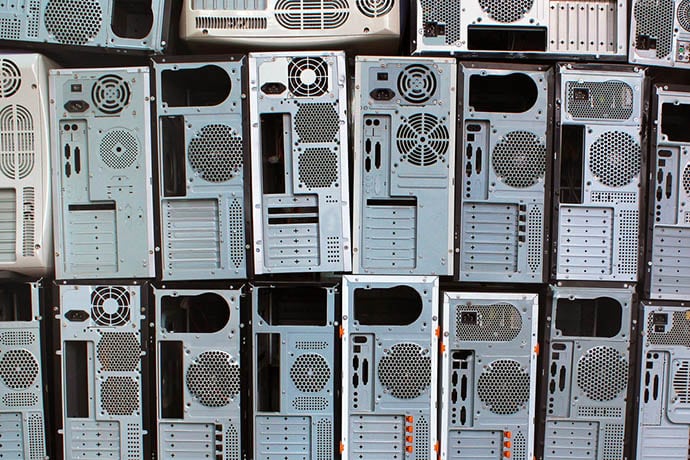 A leader at Metech Recycling envisions restructuring and reinvesting after taking the business private.
 Aubrey Arain attaches an air sampling pump to an e-scrap worker to measure contaminants in the air he breathes.[/caption]
Researchers from the University of Michigan are studying and finding ways to mitigate health risks from informal electronics recycling practices in Chi
Aubrey Arain attaches an air sampling pump to an e-scrap worker to measure contaminants in the air he breathes.[/caption]
Researchers from the University of Michigan are studying and finding ways to mitigate health risks from informal electronics recycling practices in Chi Metech International will jettison its e-scrap recycling business, citing financial losses caused by hazardous waste compliance issues and other challenges.
The Singapore-headquartered company
Metech International will jettison its e-scrap recycling business, citing financial losses caused by hazardous waste compliance issues and other challenges.
The Singapore-headquartered company