[caption id="attachment_7068" align="alignright" width="300"] A Samsung Galaxy phone is repurposed through the Galaxy Upcycling project.[/caption]
The world's largest handset producer has launched a reuse program that will allow consumers to repurpose their old mobile devices.
As described by
[caption id="attachment_7065" align="alignright" width="300"] Lawmakers hear testimony from Ned Eldridge of eLoop (left), Michele Nestor of Nestor Resources and Bob Bylone of the Pennsylvania Recycling Markets Center.[/caption]
Manufacturers say proposed changes to Pennsylvania’s e-scrap program would make it the worst in the country from an OEM perspective.
Rhode Island’s e-scrap law received some updates this month, requiring certain manufacturers to join the state-run collection program while allowing more flexibility for OEMs running independent plans.
First passed in 2009 and updated in 2013, the Ocean State’s extended producer responsibility le
Regulators in California are studying a number of legislative fixes to the nation's longest-running e-scrap program, including expanding the existing consumer-funded model or going with a more commonly used system financed by OEMs.
In an Oct.
Environmental advocacy group Greenpeace has scored a handful of the top consumer electronics manufacturers on the recyclability of their devices, among other criteria.
There was some level of OEM influence in an e-scrap company's decision to send tens of millions of pounds of CRT glass to the ill-fated Closed Loop Refining and Recovery, statements from Kuusakoski and Sony show.
Closed Loop was a downstream outlet for CRT glass that closed last year with sizable tonnages of CRT material in warehouses in Ohio and Ar
The EPEAT sustainable electronics program now includes mobile phones, providing assurance to buyers that the qualifying devices meet certain standards for end-of-life management.
The Portland, Ore.-based Green Electronics Council, which runs the EPEAT program,
Fearing a veto from the governor, Illinois stakeholders are attempting to iron out last-minute changes to legislation that would reshape the state's e-scrap law by requiring manufacturers to fund recycling of all covered material collected through the program.
Following the
 Nearly 300 IT product refurbishing experts convened in New Orleans this week to consider industry trends and to address barriers to growth.
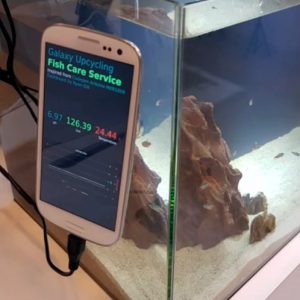 A Samsung Galaxy phone is repurposed through the Galaxy Upcycling project.[/caption]
The world's largest handset producer has launched a reuse program that will allow consumers to repurpose their old mobile devices.
As described by
A Samsung Galaxy phone is repurposed through the Galaxy Upcycling project.[/caption]
The world's largest handset producer has launched a reuse program that will allow consumers to repurpose their old mobile devices.
As described by 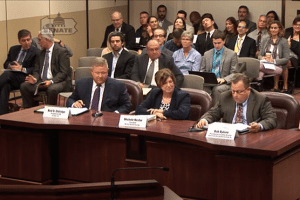 Lawmakers hear testimony from Ned Eldridge of eLoop (left), Michele Nestor of Nestor Resources and Bob Bylone of the Pennsylvania Recycling Markets Center.[/caption]
Manufacturers say proposed changes to Pennsylvania’s e-scrap program would make it the worst in the country from an OEM perspective.
Lawmakers hear testimony from Ned Eldridge of eLoop (left), Michele Nestor of Nestor Resources and Bob Bylone of the Pennsylvania Recycling Markets Center.[/caption]
Manufacturers say proposed changes to Pennsylvania’s e-scrap program would make it the worst in the country from an OEM perspective. Rhode Island’s e-scrap law received some updates this month, requiring certain manufacturers to join the state-run collection program while allowing more flexibility for OEMs running independent plans.
 Regulators in California are studying a number of legislative fixes to the nation's longest-running e-scrap program, including expanding the existing consumer-funded model or going with a more commonly used system financed by OEMs.
In an
Regulators in California are studying a number of legislative fixes to the nation's longest-running e-scrap program, including expanding the existing consumer-funded model or going with a more commonly used system financed by OEMs.
In an  Environmental advocacy group Greenpeace has scored a handful of the top consumer electronics manufacturers on the recyclability of their devices, among other criteria.
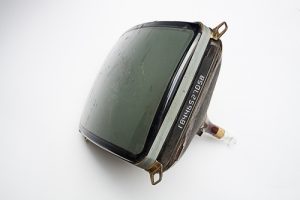 There was some level of OEM influence in an e-scrap company's decision to send tens of millions of pounds of CRT glass to the ill-fated Closed Loop Refining and Recovery, statements from Kuusakoski and Sony show.
Closed Loop was a downstream outlet for CRT glass that closed last year with sizable tonnages of CRT material in warehouses in Ohio and Ar
There was some level of OEM influence in an e-scrap company's decision to send tens of millions of pounds of CRT glass to the ill-fated Closed Loop Refining and Recovery, statements from Kuusakoski and Sony show.
Closed Loop was a downstream outlet for CRT glass that closed last year with sizable tonnages of CRT material in warehouses in Ohio and Ar The EPEAT sustainable electronics program now includes mobile phones, providing assurance to buyers that the qualifying devices meet certain standards for end-of-life management.
The Portland, Ore.-based Green Electronics Council, which runs the EPEAT program,
The EPEAT sustainable electronics program now includes mobile phones, providing assurance to buyers that the qualifying devices meet certain standards for end-of-life management.
The Portland, Ore.-based Green Electronics Council, which runs the EPEAT program,  Illinois Gov.
 Fearing a veto from the governor, Illinois stakeholders are attempting to iron out last-minute changes to legislation that would reshape the state's e-scrap law by requiring manufacturers to fund recycling of all covered material collected through the program.
Following the
Fearing a veto from the governor, Illinois stakeholders are attempting to iron out last-minute changes to legislation that would reshape the state's e-scrap law by requiring manufacturers to fund recycling of all covered material collected through the program.
Following the